免费领取教师福利
若您为此资料的原创作者,认为该资料内容侵犯了您的知识产权,请扫码添加我们的相关工作人员,我们尽可能的保护您的合法权益。


这是一份Unit 2 Stay healthy 单元复习 课件 英语人教版新教材八年级下册(2024),共33页。
Unit review单元复习Stay healthyUnit 2 英语人教版八年级下册Lead intoothachestomachachefeverrunny nosebruised kneescore throatheadachecut话题:Health and safety(健康与安全)功能:Talking about injuries/ illnesses and giving advice(谈论疾病与伤情;咨询和给予建议) Talking about how to stay safe (谈论生活安全)话题梳理Health and safety话题梳理考点突破1. She is so ______ (fear) that she dares to walk home alone at night.2. The old machine is ______ (use), so we plan to throw it away.3. He gave some food to those poor ________ (home) children.4. After the storm, some birds were left ______ (wing) and couldn’t fly.1.构词法:形容词后缀-lessuselessfearlesshomelesswingless考点突破形容词后缀 -less 的构词法规则: 1. 核心含义:加在名词后,构成否定意义的形容词,表“没有……的;无……的;不……的”。2. 构词结构:名词 + -less → 形容词3. 发音:后缀 -less 固定读作 /ləs/ 或 /les/。1.构词法:形容词后缀-less考点突破如:The situation seems hopeless. 这个局面看起来毫无希望。 The work seemed endless, so we felt tired. 这项工作似乎没完没了,我们都感到疲惫。 This broken pen is useless for writing. 这支坏钢笔没法用来写字,毫无用处。 1.构词法:形容词后缀-less考点突破用括号内单词的 -ache 形式填空 1. My grandma often has a ________ (back) when the weather turns cold.2. If you have a _________ (tooth), you should avoid eating sweet food.3. A fever with a _________ (head) is a common symptom of a cold.4. The little girl complained about a ___________ (stomach) after eating raw tomatoes.2.构词法:名词后缀-achetoothachebackacheheadachestomachache考点突破名词后缀 -ache 的构词法规则 1. 核心含义:加在表示身体部位的名词后,构成表示疼痛的名词,表“……痛;……疼”。2. 构词结构:身体部位名词 + -ache → 疼痛类名词3. 注意:这类名词多为不可数名词。2.构词法:名词后缀-ache考点突破I have a bad headache and need to rest. 我头痛得厉害,需要休息。 She went to the dentist because of a terrible toothache.她因为剧烈牙痛去看了牙医。 Eating too much ice cream gave me a stomachache. 吃太多冰淇淋让我胃疼。 2.构词法:名词后缀-ache考点突破用所给动词的适当形式填空1. The teacher stopped the students from ______ (make) noise in the class.2. She was stopped from ______ (enter) the building without an area card.3. The bad weather stopped us from ______ (have) the outdoor activity.3.stop…from…的用法enteringmakinghaving考点突破stop...from... 的用法解析: 1. 核心含义:表示阻止/防止某人做某事,from也经常被省略。2. 基本结构 stop + 宾语(人/物)+ from + 动名词 (doing sth)3.stop…from…的用法考点突破例句:We should stop him from cutting down the tree. The heavy rain stopped us going to the park. Nothing can stop me from achieving my dream. 3.stop…from…的用法考点突破翻译句子 1. 这本书很容易理解,而且很有趣。 This book is easy to understand, and _____ _____, it is very interesting.2. 他会说英语和法语,此外,他还懂一点日语。 He can speak English and French, and _____ ____, he knows a little Japanese.4.what’s more的用法what’s morewhat’s more考点突破what’s more 意为“此外、而且、更重要的是”,用来补充强调更进一层的信息,语气比 besides 更强。what’s more 可置于句首、句中或句末,句首时常用逗号与主句隔开;句中时前后需加逗号;句末时前面加逗号。4.what’s more的用法考点突破例句:What’s more, the hotel offers free breakfast for all guests. The film is interesting. What’s more, it is educational. 4.what’s more的用法考点突破用所给动词的适当形式填空1. He left early to avoid ______ (meet) his ex-girlfriend.2. We must avoid ______ (make) the same mistake again.3. Try to avoid ______ (talk) loudly in the library.4. She avoided _________ (answer) my question about her job.5.avoid的用法meetingmakingtalkinganswering考点突破avoid意为“避免;避开;逃避”,强调有意识地躲开不愉快、危险的人或事物。常用于以下结构:1. avoid + 名词/代词2. avoid + 动名词 (doing sth)注意:avoid不能接不定式(to do),这是高频易错点。5.avoid的用法考点突破常见搭配avoid danger/trouble/mistakes 避免危险/麻烦/错误avoid doing sth 避免做某事例句:We should avoid such mistakes in the exam. She tried to avoid him at the party. You can avoid getting lost by using a map. 5.avoid的用法语法突破用适当的反身代词填空1. My brother learned to swim by ______.2. We can finish the work by _________.3. Lily, did you enjoy ______ at the weekend?4. The cat is washing ______ in the sun.5. The students made these model planes _________.himself1.The usage of reflexive pronouns(反身代词的用法)ourselvesyourselfitselfthemselves语法突破反身代词是指代主语本身的代词,由人称代词宾格或物主代词词尾加 -self(单数)/ -selves(复数)构成。反身代词有:第一人称 myself(我自己) ourselves(我们自己) 第二人称 yourself(你自己) yourselves(你们自己) 第三人称 himself(他自己) herself(她自己) itself(它自己) themselves(他们/她们/它们自己) 1.The usage of reflexive pronouns(反身代词的用法)语法突破反身代词一般要与表示同一人或者物的名词或者代词搭配使用。例如:She taught herself English during the vacation.The kids enjoyed themselves at the party.Kids, you should take care of yourselves.1.The usage of reflexive pronouns(反身代词的用法)语法突破常见的与反身代词有关的短语有teach oneself(自学)、enjoy oneself(玩得开心)、hurt oneself(伤到自己)、by oneself = alone(独自)、help oneself to...(随便吃/用……)等。如:He finished the task by himself.(他独自完成了任务。)Help yourselves to some fruit, kids.(孩子们,随便吃点水果。)1.The usage of reflexive pronouns(反身代词的用法)语法突破用 should 或 shouldn’t 填空 1. We ______ eat more vegetables to keep healthy.2. You ________ run in the hallway. It’s dangerous.3. She has a cold. She _______ drink some warm water.4. They _______ waste food. Many people in the world are hungry.5. If it rains tomorrow, we ______ take an umbrella.should2.The usage of should/could(should/could的用法)shouldn’tshouldshouldn’tshould语法突破should 为情态动词,后接动词原形,无人称和数的变化,否定形式为 should not(缩写 shouldn’t),可以用来表义务、责任或建议,意为“应该;应当”(相当于could),语气委婉,是最常用的用法。例句:You should(could) brush your teeth twice a day.She shouldn’t spend too much time on phone games.2.The usage of should/could(should/could的用法)语法突破 could用于提建议时,语气委婉、客气,比can更礼貌,也比should更温和,不带有强制或强烈建议的意味。例句: Could you try this way to solve the problem? We could have dinner at that new restaurant.2.The usage of should/could(should/could的用法)语法突破 回应could的建议时,不用could回答,常用Sure/Of course/That's a good idea/I'm afraid not等,贴合日常交流习惯。 总结:should和could都可以用来表示建议,could语气更加委婉和客气。在它们后面都要接动词原形。2.The usage of should/could(should/could的用法)Task 1Act as a doctor and a patient. Talk about the illness and give some advice with should/could/shouldn’t. A: What's the matter with your...?B: I have a…/hurt my…/My…hurts.A: You should…B: Should I …?A: Yes./No. You should…Task 2About having a safe life, what suggestions do you have? Think and list. Then give a report to us.First, when we come to school, we should/shouldn’t… on the way.What’s more, we should…Besides that, we shouldn’t…SummarySummary(1)形容词后缀-less(2)名词后缀-ache(3)stop…from…的用法(4)what’s more的用法(5)avoid的用法(6)The usage of reflexive pronouns(反身代词的用法)(7)The usage of should/could(should/could的用法) Homework1.Review what we learned in this unit.2.Preview Unit 3 Growing up.Thank you!Unit 2
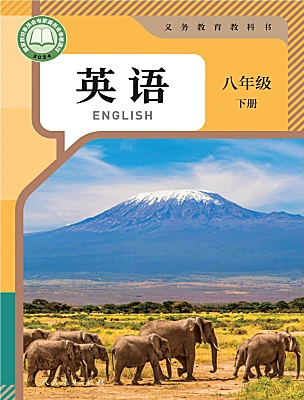 新教材
新教材
注册成功

在线客服
添加在线客服
获取1对1服务
官方微信
关注“教习网”公众号
打开微信就能找资料
赛课定制
添加在线客服
获取1对1定制服务
职称咨询
添加在线客服
获取1V1专业指导服务

免费福利

.png)