 免费领取教师福利


若您为此资料的原创作者,认为该资料内容侵犯了您的知识产权,请扫码添加我们的相关工作人员,我们尽可能的保护您的合法权益。


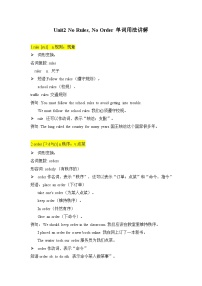
这是一份英语七年级下册(2024)Unit 2 No Rules, No Order学案,共13页。
2.Speaking: Talk abut schl rules.
3.Reading: A letter f cmplaint and advice n rules.
4.Writing: Write a letter t give advice.
5.Grammar: Imperatives; Mdal verbs(can, have t ,must).
二:重点知识
rule为名词,译为“规则、规章、条例”.
rule还可以作动词,译为“统治、支配”
fllw/ keep the rule/ bey the rules 遵守规则
break the rules 破坏规则(主语是人)
be against the rules 破坏规则(主语是物)
schl / family / traffic rules 学校规则 /家庭规则 / 交通规则
rder n.点菜;顺序,次序 v.点菜,命令
take ne’s rder 点菜
in rder 有序地 ,整体地
rder sb t d sth 命令某人做某事
ut f rder出故障;无序;
place an rder下订单
give rders 发出命令
rder a takeut nline在网上订外卖
rder sth.订购某物
rder 维持...的秩序 keep class in rder 维持班级秩序
fllw /'fɒləʊ/ v. 遵循; 跟随
fllw the rules 遵守规则;
fllw ne's advice听从某人的建议;
fllw ne's example 以某人为榜样
fllw sb./ sth.跟随某人/某物;
fllw sb. t d sth.跟随某人做某事
fllw sb. 明白某人的意思。
fllw behind跟在后面。
fllw the tips 遵守指示
be late fr = arrive late fr 迟到
arrive /ə'raɪv/ v. 到达
arrive at+小地点(学校、酒店、车站等)
arrive in+大地点(国家、城市等)
到达 reach +地点
到达get t +地点
到家/这儿/ 哪儿 get / arrive / reach hme/ here/ there
n time 准时 (表示动作在规定时间内完成)
in time及时(表示动作在限时之前完成)
at the same time同时
frm time t time 有时; 不时
have a gd time 玩得开心
all the time 一直,总是
fr the first time 第一次 ,总是
在走廊里 in the hallways
穿着学校校服 wear the schl unifrms
litter /'lɪtə/ v. 乱扔 n. 垃圾
thrw/ drp litter扔垃圾;
clean up litter清理垃圾
litter 指在公共场所散落的废弃物。
rubbish泛指各种类型的废弃物。
plite /pə'laɪt/ adj.有礼貌的
be plite t sb.对某人有礼貌
It's plite (f sb.) t d sth.(某人)做某事有礼貌。
副词形式为 plitely,意为“礼貌地”,用来修饰动词或整句话。
不礼貌地 implitely
名词形式为pliteness,意为“礼貌”。
反义词为 implite,意为“不礼貌的;粗鲁的”。
treat /triːt/ v. 对待; 招待; 治疗 n. 款待
“对待”, treat sb. with...以……态度对待某人 用心对待某人 treat sb with yur heart
“款待”, treat sb. .用······款待某人 treat yu t sme juice
“治疗”, treat sb. with sth. 用……给某人治疗 treat the patient with new drugs
56.“把……看作”。treat sb./ sth as…把某人/某物看作……。
57. give sb. a treat款待某人。> My treat.我请客。(常用于口语)
58. 诞用语 Trick r treat.不给糖就捣蛋。
59. respect/rɪ' spekt/ n. & v. 尊敬
respect作名词,意为“尊敬”,是不可数名词。
gain ne's respect 获得某人的尊重
shw great respect fr sb.对某人表现出极大的尊重
d sth. with respect带着敬意做某事
respect sb./ ne anther尊重某人/相互尊重。
因...而尊敬某人 respect sb fr sth
作为...而尊敬某人respect sb as ...
轮到某人做某事了 it is ne’s turn t d sth
轮流去做某事 take turns t d sth
Keep +n + adj keep yur rm clean 保持你的房间干净
从...到... frm
回电话 answer the phne
根据,按照 accrding t
if /ɪf/ cnj. 如果
I will wash my unifrm if it desn't rain tmrrw.如果明天不下雨,我就洗校服。
If yu feel hungry, yu shuld eat smething.如果你感到饿了,你就应该吃点东西。
if 做连词,意为“如果”,引导条件状语从句。既可放在主句之前,也可放在主句之后;从句位于主句之前时,常用逗号将其与主句隔开。主句用一般将来时,从句用一般现在时,即“主将从现”。
主句为祈使句,从句用一般现在时,即“主祈从现”。
主句也可以使用“情态动词+V原形”,从句用一般现在时,即“主情从现”。
常用短语: if pssible 如果可能的话。 if还有“是否”的意思,用于宾语从句中。
不得不穿上夹克衫 have t wear a jacket
lend / lend/ v. 借给; 借出
指的是物主借出自己的东西lend sth.t sb.= lend sb. sth.把某物借给某人。
brrw“借入”。非延续性动词,指的是向别人借入东西。brrw sth frm sb= brrw sb’ s sth向某人借某物。
keep“保留”,延续性动词,可以和一段时间连用
everything /'evriθɪŋ/
everything作主语时,谓语动词用单数形式 不定代词 smething anything smebdy anybdy 等
一些不同的东西 smething different
sweet /swiːt/ n. 糖果 adj. 甜的 (教材P11)
sweet n. 糖果,可数名词。adj.甜的。have/ has a sweet tth 意为“爱吃甜食”。
adj.(气味)芳香的 闻起来很香 smell sweet
adj.(声音)悦耳的,好听的 a sweet vice
sund sweet 听起来甜美
甜美的回忆 sweet memries
n. (餐后的)甜点,甜食(既可作可数名词也可作不可数名词)
feed /fiːd/ v. 喂养; 饲养 ;养活一家人的意思
喂某人/某物 feed sb /sth
feed... t...把……喂给…… 喂面包给这个孩子feed bread t the baby
feed... n/ with... 用……喂养……给马喂苹果 feed apples n /with apples
feed n...(动物)以……为食 靠草为食 feed n grass
当然 f curse =certainly
关掉 水电,或煤气 turn ff
关掉它 turn it ff
打开 turn n
调大 turn up
调小turn dwn
插队 jump the queue
插队cut in line
排队 stand in line / wait in line
leave /liːv/ v. 离开; 留下
leave+某地 离开某地
leave fr+某地(目的地) 动身前往某地
leave A(出发地) fr B(目的地) 离开A 地前往B地
leave sb. alne 把某人单独留下
leave sth.+地点 把某物忘在某地
99 . absent frm 缺席; 不在
The by is ften absent frm classes.那个男孩经常旷课。
absent的名词形式是 absence, 常构成短语 in ne’ s absence 背地里。
quietly /'kwaɪətli/ adv. 轻声地; 安静地
keep quiet/ be quiet保持安静
安全带 safety belt
nise /nɔɪz/ n. 声音; 噪声
make a nise/ nises 制造噪声
形容词形式为 nisy,意为“吵闹的;嘈杂的”。
unhappy /ʌn'hæpi/ adj. 不快乐的
lk unhappy 看上去不开心
be unhappy with/at / abut ...对……不满意
unhappy由“否定前缀 un-+ happy (adj.快乐的)”构成,意为“不快乐的”。类似的单词还有:untidy不整洁的 uncmfrtable 不舒适的; unlucky不幸的; unusual不同寻常的。
开心地做某事 be happy t d sth
开心地happily
幸福 happiness
make a cake 做蛋糕
make sb./sth + 形容词 使某人/某事处于某种状态
make sb. d sth. 使某人某事
整理床铺 make the bed =make ne’s bed
d the laundry/ washing洗衣服
fld the clthes 叠衣服
d the dishes 洗盘子
sweep the flr 打扫地板
take ut the rubbish 倒垃圾
have t d sth 不得不做某事
必须做某事 must d sth 主观上
either/'aɪðə(r);'iːðə(r)/ adv.也(用于否定词组后)
I dn't like cffee, either.我也不喜欢咖啡。
either还常用于固定搭配 either... r... “要么……要么……;或者……或者……”,连接主语时,谓语动词的人称和数通常与离得最近的主语保持一致。t 语气较轻,多用于口语,在肯定句中使用,通常位于句末。als 比 t 正式一些,语气较重。
practise /'præktɪs/ v.训练; 练习
practise sth./ ding sth.练习某事/做某事
practise的名词形式为 practice,常用作不可数名词。常用短语有: d... practice 进行……训练。
在工作日 n weekdays
在周末 n /at the weekend/ n /at weekends
hang /hæŋ/ v. 悬挂
hang sth. 悬挂某物
hang作动词,还可意为“绞死”。hang sb.绞死某人
hang n 坚持;别挂电话;等一下, 相当于 hld n。
hang up 挂断电话
hang ut with sb 闲逛
becme /bɪˈkʌm/ v. 变成; 成为
Leaves becme yellw in autumn.秋天树叶变黄。
becme作系动词,意为“变成;成为”,后接形容词或名词作表语,表示一种变化。后跟形容词作表语: becme rich 变得富有; becme taller and taller 变得越来越高,后跟名词作表语: becme a teacher成为一名老师。
better/'betə(r)/ adj. 较好的 becme/ get better (and better)“变得更好/越来越好”。
persn /'pɜːsn/ n. 人
persn是可数名词,复数形式一般会用 peple代替,但在官方或法律文件中复数形式常用 persns。
in persn 亲自
persn的形容词形式是 persnal,意为“个人的,私人的”,修饰名词。
辨析persn, peple与 man
persn意为“人”,指的是单个的人,可以是男性或女性。它是一个个体名词,强调的是个人的身份和特性。是可数名词。
peple意为“人们”,着重指全体,作集合名词,表示复数概念。
man 专指“男人”,也指“(特定历史时期的)人、人类”(此时不用复数形式,前面不加冠词)。
build /bɪld/ v. 创建; 建造
build v. 创建; 建造。build sb. sth. = build sth. fr sb.给某人建某物
build up 增强(信心,体质等)。build还可作名词,意为“体格;身材”。
be f medium build中等身材
building n. 建筑物 builder n. 建筑工人
fcus/'fəʊkəs/v. 集中(注意力、精力等); 聚焦
短语: fcus n...聚焦在……上 后接
fcus还可作名词,意为“中心点(指人或事物);(眼睛或镜头的)焦距”,
常见短语: the fcus f... ……的焦点; bring sth. int fcus 把某事变成焦点。
relax /rɪ'læks/ v. 放松; 休息
rest/ have a rest relax neself 放松自己
辨析 relaxed 与 relaxing
relaxed adj. 主要用来形容人的感受,表示某人“感到轻松的”。
relaxing adj. 主要用来修饰物, 表示“令人放松的”。
advice /əd'vaɪs/ n. 建议; 意见
advice n. 建议;意见,是不可数名词,可用 sme、much、a piece f等修饰。常构成短语:
fllw/ take ne's advice 听从某人的建议
ask sb. fr advice 征求某人的建议
give sb. sme advice(n)sth 给某人一些建议
a piece f advice 一条建议
advice的同义词为 suggestin ,是可数名词。复数形式为 suggestins。
advise是 advice的动词形式,意为“劝告;建议”
advise sb. t d sth.建议某人做某事
advise ding sth. 建议做某事
advise+ that从句 建议……,其中从句的谓语动词用“(shuld+)动词原形”。
understand /ˌʌndəˈstænd/ v. 理解; 领会
understand sb./ sth.理解或领会某人/某事
make neself understd意为“将自己的意思表达清楚”,
make ne's meaning clear表达清楚。
反义词是 misunderstand意为“误解”。
adj. 善解人意的; 体谅人的(修饰名词或作表语)。
快点 hurry up
急着做某事 hurry t d sth
整洁的 tidy 不整洁的 untidy
spirit (熟义)n.精神;情绪 (生义)n.灵魂;鬼魂;精灵
a/ the spirit f... ……的精神
(be) in gd/ bad spirits 情绪好/坏 > spirit 作名词,还可意为“灵魂;鬼魂;精灵”。
think abut 思考; 考虑
Let me think abut yur advice again.
think abut是固定短语,其中 abut是介词,后面可接名词、代词或动名词作宾语。
辨析 think abut, think f 与 think ver
think abut表示对某个问题或情况进行思考或考虑。
think f 主要用来表示对某人、某事的看法。
think ver 表示仔细考虑或认真思考,通常指对某个问题进行深入的思考。
get alng well 相处得好
get alng well相处得好(= get n well) get alng / n well with sb.和某人相处得好
询问相处得怎样, 用疑问词 hw。 Hw d yu get alng with sb.?你跟某人相处得怎么样?
fight with 和……打架
fight with sb.意为“和某人打架”。
fight 作动词,意为“打架;战斗”,其他常见短语:
fight against 与……作斗争,强调对抗的对象,常指与敌对的人、势力或不良现象作斗争。
fight fr为……而战斗、奋斗,表明战斗或努力的目标。
fight ver因……而打斗、争斗,通常是为了争夺某个事物。
fighter n.战士;斗士
wear为动词,译为“穿、戴”等意。
Eg: She wears a red dress tday. 她今天穿着一条红色连衣裙。
易混辨析wear, put n, dress, in区别:
put n强调穿衣服的动作
It’s cld utside, please put n yur sweater. 外面天气冷,请穿上你的毛衣。
wear强调穿衣服的状态
The girl wears a sweater tday. 这个女孩今天穿了一件毛衣。
dress 后面接人,表示给某人穿衣服
The by is t yung t dress himself.. 这个小那还太小了不能自己穿衣服。
in 后面常常接颜色表示穿某颜色的衣服
The girl in red is my little sister. 穿红衣服的女孩是我小妹妹。
Put up ne’s hand译为“举手”,其同义词为“raise ne’s hand”
Put up还可译为“张贴、搭建”
put away 放好
put back 放回
put n 穿上 ;上演;增重
put ff 推迟,拖延 做某事
put dwn放下,镇压
put ut 放出,伸出,熄灭,关(灯)
ask sb. fr help 向某人寻求帮助
ask sb. (nt) t d sth. 要求某人(不)做某事
ask sme questins 问一些问题
let sb d sth 让某人干某事
have fun 玩得开心 【拓展】have fun ding sth做某事玩得开心
have fun=have a gd time=enjy neself
①find和lk fr 区别
find译为“发现、找到”,强调寻找的结果;
lk fr译为“寻找”,强调寻找的过程。
I lked fr my bk everywhere, but I can’t find it. 我到处找我的书但是我没有找到。
I think/believe开头的宾语从句,变为否定句时需否定前移。
I dn't think he is a gd by. 我觉得他不是一个好孩子。
-Thanks fr telling me, Anne. 谢谢你告诉我。
wait为动词,译为“等待”。wait fr sb 等候某人 wait fr sb t d sth 等候某人干某事
can’t wait t d sth 迫不及待干某事
hurry为动词,译为“赶紧,匆忙”;hurry也可为名词,译为“赶紧、匆忙”。
hurry t d sth. 匆忙做某事
hurry t+地方 匆忙去某地
in a hurry 匆忙、急切
hurry up 快点、赶快
hard为形容词,译为“难的”,相当于difficult;也可译为“坚固的、结实的”;
It’s hard(difficult) fr me t wrk ut the prblem .对我来说,解决这个问题很难。
hard 与hardly 区别
hard也可为副词,译为“努力地、猛烈地”。
hardly 意思是“几乎不”,表“否定”含义。
It's raining hard nw,I hardly g ut . 现在正在下大雨,我几乎不能出去。
snack n.点心; 小吃
mbile adj.可移动的→mbile payment 移动支付
保持安静 keep quiet
二: 语法祈使句
用于表达请求、命令、建议、禁止等的句子叫祈使句。祈使句一般没有主语,实际上是省略了“Yu”。句末用感叹号或句号,读降调。例如:
(1)G and wash yur hands. 去洗你的手。(命令)
(2)Be quiet, please. 请安静。(请求)
(3)Practice the guitar every day. 每天练习吉他。(劝告)
补充:
(1)有时将主语yu表示出来是为了加强语气或表示“不高兴”、“厌烦”、“鄙视”等情绪。
如: Yu, get ut f here!你,从这里出去!
(2)表示礼貌,常在句首或句末加 please
如:Please stand up.或 Stand up, please.请起立。
二、句型
注意:表示禁止,常用于标语的否定祈使句:
N +ding ! / N +可数名词复数/不可数名词!
N smking! = Dn’t smke!N phts! = Dn’t take phts!
情态动词can/must/have t
一、can的用法
can是情态动词,意为"能;会",表示某人或某物具备的能力,还可用来提出请求,没有人称和数的变化,后面直接接动词原形。下面来看一下它的具体用法。
1. 表示有能力做某事,意为"能;会"。
I can speak English.我会讲英语。
He can play basketball.他会打篮球。[来
2. 表示许可,意为"可以"。
Yu can sit here.你可以坐在这儿。
3. 情态动词can表示推测,意为"可能",常用语否定句、疑问句中。
It can’t be a cat. It has a shrt tail. 它不可能是猫,它有一个短尾巴。
二、must的用法
(1)must表示主观义务,意思是"应该,必须",其否定式mustn’t意为"不应该,不准"。情态动词不能单独作谓语动词,必须和动词原形一起构成谓语。
We must get there befre five ’clck. 我们必须在五点钟前赶到那儿。
Yu mustn’t break the rules. 你不要破坏规定。
He must have seen the film last night. 他昨天晚上肯定看了那场电影。
Yu must read a bk befre yu watch TV. 在看电视前你必须读书。
对用must所提问题的否定回答,常用needn’t或dn’t have t,意思为:不必。
Must I stay here after schl? 放学后我还得留在这儿吗?
N, yu needn’t / dn’t have t. 不了,没有必要。
(2)must表示推测,意思为:一定,必定(只用于肯定句中)。
He must be ur headmaster. 他肯定是我们的校长。
(3)must用于否定句时,mustn’t意为"不允许,禁止",而不表示"不必"。
Yu mustn’t be late fr schl. 你千万不要上学迟到。
(4)以must开头的一般疑问句,若作否定回答,可以用needn’t或dn’t have t,不用mustn’t。
—Must I clean all the rms? 我必须打扫所有的房间吗?
—N, yu needn’t/dn’t have t. 不,你不必。
have t的用法
表示客观要求,意思为:不得不;必须;除此之外,别无选择。使用have t应注意以下几点:
(1)have t后接动词原形,意为"必须做……;不得不做……"。
We have n fd hme, yu have t g and get sme, Tm. 家里没有食物了,汤姆你得去买一些来。
(2)have t 有人称、数和时态的变化,其第三人称单数形式为has t。
She has t help her mm make dinner. 她不得不帮她妈妈做晚饭。
There’s n bus here, s we had t walk hme. 现在这里没有汽车了,我们只好走路回家了。
(3)含有have t, has t的句子需分别借助动词d, des构成疑问句或否定句。
D they have t g nw? 他们得现在回家吗?
Yu dn’t have t g if yu dn’t want t. 如果你不想去,你就不必去。
辨析:have t可以用于多种时态;而must只用于一般现在时或一般将来时。
The cmpsitin is due t hand in this mrning, s I had t finish it last night.
作文今天早晨到期,因此我不得不昨天晚上完成。
重点句子
1. Dn't be late fr schl. Arrive n time.不要上学迟到。准时到达。
2. Wear the schl unifrm. 穿校服。
3. Dn't litter. Keep yur schl clean and tidy.不要乱扔垃圾。保持学校干净整洁。
4. Be plite and treat everyne with respect.要礼貌待人,尊重每个人。
5. Put up yur hand if yu want t ask yur teacher a questin.如果你想问老师问题,请举手。
6.— Can Mary run in the hallway?玛丽可以在走廊里跑吗?
— N, she can't. She has t walk in the hallway.不,她不能。她必须在走廊里走
7.—— Thanks fr telling me, Anne.谢谢你告诉我,安妮。
— Yu’ re welcme, Tm.不客气, 汤姆
8. N eating r drinking.禁止吃喝。
9. Yu can't/ mustn't eat r drink.你不可以/不准吃或喝。
10. There are t many rules in my life!我的生活中有太多规则了!
三:作文:
我的校规
每所学校对学生都有规则。
作为一名学生,我们必须遵守它们。
首先,我们在课堂上不能互相说话。
我们应该认真听老师讲课。
我们不能把食物和喝的东西带到教室。
我们不得不保持教室安静和干净。
然后,放学之后我们必须按时完成我们的家庭作业。
还有一件事,我们在学校必须穿校服。
此外,我们必须保护那里的树木,草和花,因为它们使我们的学校更美丽。
最后,我们应该与我们的老师和学生好好相处。
不要互相打架。
虽然我们对校规有不同的看法,但是我认为我们每个人都应该遵守校规。
My Schl Rules
Every schl has rules fr students.
As a student, we must bey them.
First f all, we can’t talk with each ther in class.
We shuld listen t the students carefully.
We can’t bring fd r drinks t the classrm.
We have t keep ur classrm quiet and clean.
Then, after class, we must finish ur hmewrk n time.
One mre thing, we must wear ur schl unifrms at schl.
Besides, we must prtect trees,grass,and flwers there because they make ur schl mre beautiful.
At last, we shuld get n well with ur teachers and classmates.
Dn’t fight with each ther.
Althugh we have different views n the rules, I think everyne shuld bey the schl rules.
My Schl Rules
Every schl has rules fr students.As a student, we must bey them.
First f all, we can’t talk with each ther in class.We shuld listen t the students carefully.We can’t bring fd r drinks t the classrm.We have t keep ur classrm quiet and clean.Then, after class, we must finish ur hmewrk n time.One mre thing, we must wear ur schl unifrms at schl.Besides, we must prtect trees,grass,and flwers there because they make ur schl mre beautiful.At last, we shuld get n well with ur teachers and classmates.Dn’t fight with each ther.
Althugh we have different views n the rules, I think everyne shuld bey the schl rules.
类型
句型结构
示例
D型
(表示行为的动词原形)
肯定:动词原型+其他
Open the dr! Stand up! Sit dwn!
否定:Dn’t+动词原型+其他
Dn’t pen the dr! Dn’t eat in classrm!
Be型
肯定:Be+其他
Be quiet! Be careful!
否定:Dn’t+be +其他
Dn’t be quiet! Dn’t be late!
let型
肯定:let sb d sth
Let me help yu.
否定:Dn’t let sb d sth/
Let sb nt d sth
Dn’t let him g.
Let him nt g.
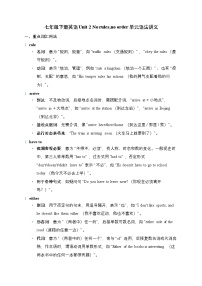
这是一份英语七年级下册(2024)Unit 2 No Rules, No Order学案,共13页。
这是一份初中英语人教版(2024)七年级下册(2024)Unit 2 No Rules No Order学案及答案,共31页。
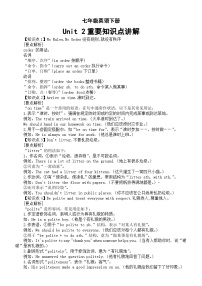
这是一份人教版(2024)七年级下册(2024)Unit 2 No Rules No Order学案,共24页。学案主要包含了高频词汇/短语解析,教材原句,拓展 – rder,用法 1,用法 2,用法 3,口诀助记,肯定结构等内容,欢迎下载使用。
 新教材
新教材
注册成功

在线客服
添加在线客服
获取1对1服务
官方微信
关注“教习网”公众号
打开微信就能找资料
赛课定制
添加在线客服
获取1对1定制服务
职称咨询
添加在线客服
获取1V1专业指导服务

免费福利

.png)
.png)
.png)
