免费领取教师福利


若您为此资料的原创作者,认为该资料内容侵犯了您的知识产权,请扫码添加我们的相关工作人员,我们尽可能的保护您的合法权益。





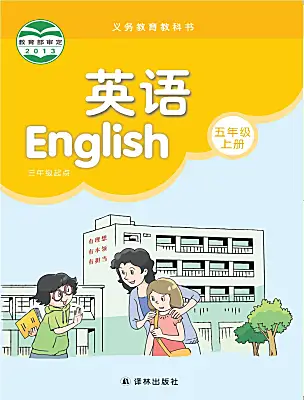
这是一份小学英语Unit 7 At weekends教学设计,共17页。
本单元谈论的话题是周末活动,教师可以结合学生用书四年级下册 Unit2 After schl 和五年级上册 unit4 Hbbies 的内容,综合呈现语言知识。教师可以和学生一起复习有关课外活动和业余爱好的词汇,作为导入或巩固活动。涉及的周末活动有上网和远方家人聊天、放风筝、看电影、野餐等,教师可以在教学中利用挂图、照片或多媒体呈现一些孩子周末活动的情景,也可以要求学生课前准备一张家庭周末活动的照片。
学情分析:
本单元学习的话题是谈论周末,对于这个话题学生还是比较喜欢的,在课上应该也愿意来讨论、交流。我觉得最关键的还是要增加学生一些词汇量,这样一来他们在谈论周末的时候难度会降低一些。而在谈论平时周末做些什么,一般都是用的一般现在时,这个对学生来说应该不成什么问题,关键还是要提醒他们在主语为第三人称单数时,要注意动词的变化。总体来说,本单元学习的内容难度不大,教师只要好好引导学生去学习,学生的掌握情况应该还是不错的。
教学目标:
1. 能听懂、会说、会读单词: at weekends, grandparents, play with, very much, chat, Internet, g t the cinema, a lt, cme ut, get ut.
2. 能听懂、会说、会读、会写单词: visit, ften, always, smetimes, there.
3. 能听懂、会说、会读、会写句型与日常用语: What d yu d at weekends? I always\usually\ften\smetimes . . .
4. 能熟练运用本单元所学句型及频率副词谈论周末活动。
5. 知道字母 s 在单词中的读音。
教学重点:
1. 句型: What d yu d at weekends? I always\usually\ften\smetimes . . .
2. 词汇: at weekends, grandparents, play with, very much, chat, Internet, g t the cinema, a lt, cme ut, get ut.
3. 语音:字母 s 在单词中的读音。
教学难点:
1. 句型: What d yu d at weekends? I always\usually\ften\smetimes . . . 的使用。
2. 词汇: always , usually , ften 和 smetimes 频率副词的区别及正确用法。
3. 语音:字母 s 在单词中的读音。
第 1 课时
教学目标:
1. 理解、掌握对话内容,能用正确的语音语调朗读对话,并初步表演对话。
2. 能正确运用日常交际用语: What d yu d at weekends? I always\usually\ften\ . . .
3. 能听懂、会说、会读单词: at weekends, grandparents, play with, very much, chat, Internet, g t the cinema, a lt, cme ut, get ut.
教学重点:
1. 能正确理解对话内容,朗读对话,初步表演对话。
2. 能听懂、会说、会读单词: at weekends, grandparents, play with, very much, chat, Internet, g t the cinema, a lt, cme ut, get ut.
教学难点:
1. 能正确理解对话内容,朗读对话,初步表演对话。
2. 能听懂、会说、会读单词: at weekends, grandparents, play with, very much, chat, Internet, g t the cinema, a lt, cme ut, get ut.
教学具准备:
1. 教师准备:单词卡片,人物图片,多媒体,板书。
2. 学生准备:预习本单元的 Stry time 。
教学过程:
Step1. Lead-in
1. PPT 出示学生学过的体育运动类、兴趣爱好类、日常 活动类词汇,齐读。
T: Lk at these phrases and wrds, yu can ask yur partner a questin .
Fr example: What d yu like? When d yu get up ? . . .
Wrk in pairs.
2. T: Bys and girls, when d yu g t schl in the mrning?
S: . . .
T: We always g t schl frm Mnday t Friday.
PPT 出九月份的日历。
生齐读一周七天的单词。
T: We always g t schl frm Mnday t Friday. But We dn’t g t schl n Sunday and Saturday.
PPT: n Sunday and Saturday= at weekends
教读 “at weekends ” 。
Step2. Presentatin and practice
1. T: At weekends yu dn’t g t schl. What d yu d at weekends?
S: I usually . . .
Wrk in pairs.
T: At weekends I always visit my parents, smetimes I chat with my friend n the Internet.
教读此句。
T: ( PPT 出示书中人物) What d they d at weekends? Read and match.
PPT:
visit grandparents
play ftball
Mike fly a kite
g t the cinema
Helen chat with grandparents n the Internet
play with Kitty the cat
SH&SY have a picnic
have a dancing lessn
have dinner with grandparents
学生自读课文并在文中画出关键词。
汇报。
T: What des Mike d at the weekends?
S: . . .
T: What d Su Hai and Su Yang d at the weekends?
S: . . .
再读课文,深入理解课文。
师引导学生将人物的周末活动按照发生频率进行归类,然后引导学生用频率副词介绍四人的周末活动:
跟录音读课文。
Lk and write.
规则:同桌一个以书中人物自述,另一个以第三人称进行转述, 以便进一步操练一般现在时第三人称单词形式。
Step3. Cnslidatin
复述课文。
引导学生复述书中四个人物的周末活动,提示学生正确使用动词的第三人称单数形式。然后让学生将自己复述的人物活动写下来,加强写的练习。
Ask, Chse and say
以小组为单位,完成此调查表。
Step4. Hmewrk
1.Read “ stry time” after the tape.
2. 试着介绍家人的周末活动。
板书设计:
Unit7 At weekends
What d yu d at weekends?
I always\usually\ften\smetimes . . .
第 2 课时
教学目标:
1. 复习上节课所学的词汇和故事。
2. 能听懂、会说、会读、会写句型与日常用语: What d yu d at weekends? I always\usually\ften\smetimes . . .
教学重点:
1. 能正确运用频率副词。
2. 能用正确的语音语调正确的朗读对话,复述故事。
教学难点:
1. 能正确运用频率副词。
2. 能用正确的语音语调正确的朗读对话,复述故事。
教学具准备:
1. 教师准备:单词卡片,多媒体,图片,板书。
2. 学生准备: 预习一些频率词的用法。
教学过程:
Step1. Revisin
1.T: Last lessn , we learn “stry time”. What des Mike d at weekends?
S: . . .
T: Hw abut Su Hai and Su Yang? Yu ask yur partner like this.
. . .
2. T: ( 指一名学生 )What d yu d at the weekends?
S: . . .
S: What d yu d at the weekends?
S: . . .
Step2. Checkut time
1. T: What des yur friend d at the weekends?
S: . . .
Wrk in pairs.
2.T: At the weekends, ...’s friend always . . . She/He smetimes . . .
T: Can yu intrduce yur friend like this?
S: . . .
生把自己及朋友的周末活动写下来。( P77 )
指名汇报。
同桌互相修改,看有没有写错的单词或表达不当的地方。
Step3. Fun time
问答活动。
引导学生看图,用问答的形式描述图片内容。如
T: Lk at the picture1. What des she d ?
S: She chats n the Internet.
T: What des she d in picture2 ?
S: She reads…
师邀请一名学生和自己一起示范游戏过程。
学生两人开展游戏问答活动。学生看图回答时,可以选用任意频率副词。
让学生将问答内容写下来。
Step4. Hmewrk
1. 跟录音读书后单词两遍。
2. 做练习册第一课时。
板书设计:
Unit7 At weekends
What d yu d at weekends?
I always\usually\ften\smetimes . . .
What des he/she d?
He/She always\usually\ften\smetimes . . .
第 3 课时
教学目标:
1. 能听懂、会说、会读、会写句型与日常用语: What d yu d at weekends? I always\usually\ften\smetimes . . .
2. 正确运用频率副词。
3. 掌握 d 和 des 的用法及第三人称单数形式的变化规则。
教学重点: d 和 des 的用法及第三人称单数形式的变化规则。
教学难点: d 和 des 的用法及第三人称单数形式的变化规则。
教学具准备:
1. 教师准备:多媒体,板书,录音,磁带。
2. 学生准备:进一步熟悉 d 和 des 的用法及第三人称单数形式的变化规则。
教学过程:
Step1. Free talk
1. T: ( 指一名学生 )What d yu d at the weekends?
S: . . .
T: What des yur friend d at the weekends?
S: . . .
T: Nw yu ask yur partner like this.
Wrk in pairs.
2. T: Nw yu can say smething abut yur friend’s weekend.
S: . . .
Step2. Grammar time
两人活动,朗读句子。
教师安排学生两人一组,认读两个表格中的句子,一人读问句,一人读答句。如:
S1: What d yu d at the weekends?
S2: I ften have dinner with my grandparents.
. . .
操练助动词。
教师利用多媒体或者在黑板上呈现第一个表格中的四个句子,并将其中的助动词覆盖,要求学生填空。如:
What d yu d at the weekends?
What d they d at the weekends?
What des she d at the weekends?
What des he d at the weekends?
然后,教师鼓励学生讨论归纳 d 和 des 的用法:当句 子主语是第三人称单数 he, she, it 或单数名词时, 转换成一般疑问句或特殊疑问句时,助动词要用 des ,当主语是 I, yu, we, they 或复数名词时,助动词则用 d 。
归纳第三人称单数形式的变化规则。
PPT 出示第二个表格中的句子,然后将动词覆盖,要求学生填空。如:
I ften have dinner with my grandparents.
They usually fly a kite and have a picnic.
She always has dancing lessns.
He smetimes ges t the park.
随后,教师可以和学生一起归纳动词原形转换成第三人称单数动词形式的规则:
方法一:直接加 s
方法二:以 , s , ch , sh 结尾的单词一般加 es
方法三:以字母 y 结尾的单词,先变 y 为 i ,再加 es
方法四:有一些特殊变化的要熟记,如 has 等。
Step3. Cnslidatin
用所给单词的适当形式填空
My parents (live)in the UK.
He always has a (dance)lessn.
He smetimes (fly)a kite in the afternn.
What (Helen) (d) at weekends.
Billy always (watch)TV.
Step4. Hmewrk
1. 预习 Cartn time.
2. 做《补充习题》。
板书设计:
Unit7 At weekends
动词原形转换成第三人称单数动词形式的规则:
方法一:直接加 s
方法二:以 , s , ch , sh 结尾的单词一般加 es
方法三:以字母 y 结尾的单词,先变 y 为 i ,再加 es
方法四:有一些特殊变化的要熟记,如 has 等。
第 4 课时
教学目标:
1. 欣赏 Cartn time ,复习巩固所学句型。
2. 能用正确的语言语调朗读对话,在熟读的基础上分角色朗读。
3. 了解字母 s 在单词中的读音。
教学重点:能用正确的语言语调朗读对话。
教学难点:
1. 能用正确的语言语调朗读对话,在熟读的基础上分角色朗读。
2. 了解字母 s 在单词中的读音。
教学具准备:
1. 教师准备:图片,录音,磁带,板书。
2. 学生准备:预习 Cartn time 和 Sund time 。
教学过程:
Step1. Revisin
T: ( 指一名学生 )What d yu d at the weekends?
S: . . .
T: D yu usually watch TV at the weekends?
S: . . .
T: Hw abut yur father?
S: . . .
Wrk in pairs.
Step2. Cartn time
1. PPT 出示第二幅图
T: Wh are they?
S: . . .
T: What d they d at weekends? Watch cartn and fill the frm:
指名填表格。
生自读课文,回答下面问题。
PPT:
What des Billy always d at weekends?
What d Bbby and Sam d at weekends?
Des Billy like picnic?
What’s the matter with Billy ?
小组活动,复述故事。
学生四人一组,每人一句,复述故事。 如:
S1: Billy always watches TV and eats at hme at weekends.
S2: In spring, Bbby and Sam ften play basketball at weekends.
S3: But Billy desn’t like playing basketball.
S4: In summer, Bbby and Sam ften g swimming.
. . .
学生分角色朗读故事并尝试表演。
Step3. Sund time
1. T: At the weekends, Billy always eat and watch TV. Lk at the children, what d they d at the weekends?
PPT 出示 P73 ,通过问答,引出含有目标因素读 /z/ 的单词。
T: Wh’s the ld man in the picture?
S: He’s Mr Rse.
T: What des he always grw in his garden?
S: He always grws rses.
教师示范读单词,学生跟读。
播放录音,并带领学生跟读绕口令,鼓励学生一起有节奏地打拍子。
PPT 出示一些含有字母 s 的单词,包括音素读 /z/ 和 /s/ ,让学生区分,如 six , seven,sister, srry, this, is, always, music, tennis 等。
Step4. Hmewrk
1. 跟录音读 Strytime 一遍。
2. 跟录音读单词两遍。
板书设计:
Unit7 At weekends
Cartn time 的图片
six , seven, sister, srry, this, is, always, music, tennis
第 5 课时
教学目标:
1. 能听懂、会说、会读、会写句型与日常用语: What d yu d at weekends? I always\usually\ften\smetimes . . .
2. 能运用所学句型及单词介绍自己及家人的周末活动。
3. 了解国内及国外人们喜爱的体育运动。
教学重点:
1. 能运用所学句型及单词介绍自己及家人的周末活动。
2. 了解国内及国外人们喜爱的体育运动。
教学难点:能熟练地运用所学句型及单词介绍自己及家人的周末活动。
教学具准备:
1. 教师准备:录音,磁带,板书。
2. 学生准备:复习本单元所学内容。
教学过程:
Step1. Free talk and Lead in
T: What d yu d at weekends?
S: . . .
T: What sprts d yu d at weekends?
S: . . .
T: D yu like playing table tennis?
S: . . .
Step2. Culture time
T: Table tennis is very ppular in China.
PPT 出示此部分内容。
生跟录音读。
PPT:
美国人喜爱的运动。
篮球( basketball )起源于美国,当孩子们长到九岁或十岁时,他们就开始打篮球,许多家庭都在后院里有一个小篮球场。美国小朋友们可以在周末和父母一起去观看 NBA 比赛。篮球、橄榄球( American ftball )和棒球( baseball )一起被称为美国的三大球类运动。
B. 足球运动在英国
英国(英格兰)是现代足球的发源地。足球在英国是一项十分普及的一项运动,几乎每个城镇都有一个足球俱乐部。英国每年的足球赛季长达八个月之久。
PPT 出示其他一些国家的运动,如韩国人比较喜欢击剑,印度人比较擅长长跑等,让学生多了解一些。
Step3. Ticking time
I can talk abut weekend activities
T: What d yu d at weekends?
S: . . .
T: What des yur father d at weekends?
S: . . .
T: Des yur . . . at weekends?
S: . . .
T: Hw abut . . .?
S: . . .
T: Nw yu talk abut yur family weekends with yur partner, OK?
学生同桌讨论。
指名汇报。
让学生将自己讨论的内容写下来。
2. I can use“always” , “usually” , “ften”and“smetimes”.
(1 ) T: I always g t wrk frm Mnday t Friday. In the evening, I usually watch TV. At weekends I ften d husewrk, smetimes I g shpping. Hw abut yu?
T: Can yu intrduce yurself like this?
学生练说,然后指名说。
(2) 生将自己说的内容写下来。
I knw the sund f the letter“s” 。
判断下列各组单词划线部分的发音是否相同,相同的写 “T”, 不同的写 “F”.
bks bags always
( ) 1. ( ) 2. ( )3.
grapes has us
pears rse cakes
( ) 4. ( ) 5. ( )6.
his music see
Step4. Exercise( 补充习题 P32 、 33)
1.Lk and say.
2.Read and write.
Step5. Hmewrk
1. 上网查找其他一些国家人们喜欢的运动。
2. 做《练习与测试》上的本单元测试。
板书设计:
Unit7 At weekends
本单元的主要单词和句型
Name
At weekends
always
usually
ften
smetimes
SH&SY
Helen
Mike
Seasn
Bbby and Sam’s weekends
Billy’s weekends
Spring
Summer
Autumn
这是一份英语Unit 7 At weekends教案,共3页。教案主要包含了教学目标,教学重难点,教学准备等内容,欢迎下载使用。
这是一份小学牛津译林版Unit 7 At weekends教案及反思,共2页。教案主要包含了教学目标,教学重难点,教学准备等内容,欢迎下载使用。
这是一份小学英语牛津译林版五年级上册Unit 7 At weekends教案,共4页。


注册成功
资料篮

在线客服
添加在线客服
获取1对1服务
官方微信
关注“教习网”公众号
打开微信就能找资料
赛课定制
添加在线客服
获取1对1定制服务
职称咨询
添加在线客服
获取1V1专业指导服务

免费福利


.png)
(1)(1).png)