免费领取教师福利

若您为此资料的原创作者,认为该资料内容侵犯了您的知识产权,请扫码添加我们的相关工作人员,我们尽可能的保护您的合法权益。

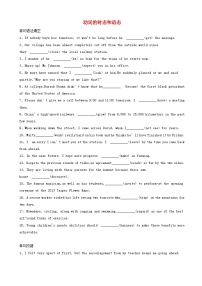
![高考英语一轮复习讲义练习专题8 动词的时态和语态[8年41考]第1页](http://img-preview.51jiaoxi.com/3/4/17499780/0-1762086201651/0.jpg?x-oss-process=image/resize,w_1200,m_lfit,g_center/sharpen,100)
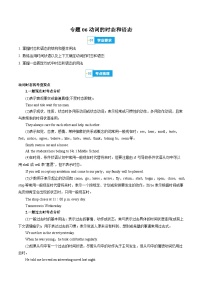
![高考英语一轮复习讲义练习专题8 动词的时态和语态[8年41考]第2页](http://img-preview.51jiaoxi.com/3/4/17499780/0-1762086201687/1.jpg?x-oss-process=image/resize,w_1200,m_lfit,g_center/sharpen,100)
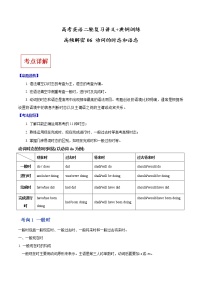
![高考英语一轮复习讲义练习专题8 动词的时态和语态[8年41考]第3页](http://img-preview.51jiaoxi.com/3/4/17499780/0-1762086201716/2.jpg?x-oss-process=image/resize,w_1200,m_lfit,g_center/sharpen,100)
这是一份高考英语一轮复习讲义练习专题8 动词的时态和语态[8年41考],共10页。
考点一 现在时★★★★(8年9考)
1. 一般现在时
(1) 谓语动词的构成
一般现在时大多是以动词的原形来表示的。be和have在人称和数上应和主语保持一致。其他动词若其主语是第三人称单数,则应按动词第三人称单数的变化规则来变化。
(2) 用法
2. 现在进行时
(1) 谓语动词的构成:am/is/are+ding
(2) 用法
3. 现在完成时
(1) 谓语动词的构成:have/has+dne
(2) 用法
(3) 现在完成时常用时间状语:fr+时间段、since+时间点、s far、already、yet、just、tday、nw、recently、lately、this week、this mnth、these days、during/in the last/past few years、ever、never、befre等。
Great changes have taken place in my hmetwn in the past three years.
在过去的三年中,我的家乡发生了巨大的变化。
(4) 现在完成时常用句型
① It is/has been+一段时间+since从句
② This/That/It is the that+现在完成时
③ This/That/It is the nly...+that+现在完成时
④ This/That/It is the best/finest/mst interesting...+that从句+现在完成时
(5) 某些非延续性动词如die、arrive、jin、leave、g、refuse、fail、finish、buy、marry、divrce、awake、buy、brrw、lend等的现在完成时不能与fr引出的时间状语连用。
The man has died fr tw years. (×)
The man has been dead fr tw years. (√)
4. 现在完成进行时
(1) 谓语动词的构成:have/has+been+ding
(2) 用法
(3) 现在完成时和现在完成进行时的区别
【真题感悟】 单句语法填空
1. (2024浙江1月高考卷)Over the last tw years, sme supermarkets (start) selling chicken r salad in packs designed with tw halves cntaining separate prtins(份).
2. (2022全国甲卷)In the last five years, Ca (walk) thrugh 34 cuntries in six cntinents.
3. (2020江苏卷)If yu lk at all sides f the situatin, yu'll find prbably a slutin that (suit) everyne.
4. (2020天津卷)—Yu are a great swimmer.
—Thanks. It's because I (practise) a lt these days.
5. (2019全国Ⅱ卷)I lve cming here and seeing my family and all the friends I (make) ver the years.
考点二 过去时★★★★(8年20考)
1. 一般过去时
(1) 谓语动词的构成:v.-ed或不规则动词的过去式
(2) 用法
2. 过去进行时
(1) 谓语动词的构成:was/were+ding
(2) 用法
3. 过去完成时
(1) 谓语动词的构成:had+dne
(2) 用法
【真题感悟】 单句语法填空
1. (2023新高考全国Ⅱ卷)As a little girl, I (wish) t be a zkeeper when I grew up.
2. (2022全国乙卷)The chairman f the China Culture Prmtin Sciety (address) the pening ceremny.
3. (2021浙江卷)Mary's niece wrte, “The little hme (paint) white. It was sweet and fresh.”
4. (2020全国Ⅰ卷)The unmanned Chang'e-4 prbe(探测器)—the name was inspired by an ancient Chinese mn gddess— (tuch) dwn last week in the Suth Ple-Aitken basin.
5. (2020浙江卷)By abut 6000 BC, peple (discver) the best crps t grw and animals t raise.
6. (2017天津卷)I (drive) dwn t Lndn when I suddenly fund that I was n the wrng rad.
考点三 将来时(8年0考)
1. 一般将来时
(1) 谓语动词的构成:will/shall+动词原形;be ging t+动词原形;be t+动词原形;be abut t+动词原形
(2) 用法
① 表示未来的动作或状态,常用“will/shall+动词原形”(常与表示将来的时间状语连用,如tmrrw、next week等)。
② 表示一种趋向或习惯动作。
We'll die withut air r water.
没有空气和水,我们会死。
③ 表示趋向行为的动词如cme、g、start、begin、leave、arrive等常用进行时表示将来。
I'm leaving fr Chengdu this weekend.
这个周末我要去成都。
2. 过去将来时
(1) 谓语动词的构成:wuld/shuld+动词原形;was/were ging t+动词原形
(2) 用法
3. 将来进行时
(1) 谓语动词的构成:will/shall+be+ding
(2) 用法
4. 将来完成时
(1) 谓语动词的构成:will/shall+have+dne
(2) 用法
【真题感悟】 单句语法填空
1. (2016北京卷)The students have been wrking hard n their lessns and their effrts (reward) with success in the end.
2. (2013江苏卷)—Culd I use yur car tmrrw mrning?
—Sure. I (write) a reprt at hme.
3. (2011江苏卷)—Tmmy is planning t buy a car.
—I knw. By next mnth, he (save) enugh fr a used ne.
考点四 动词的语态★★★★(8年12考)
1. 被动语态由“助动词be+及物动词的过去分词”构成,助动词be有人称、时态和数上的变化。下表以动词d一词为例说明被动语态的构成:
2. 在主动语态中,如果感官动词(feel、see、hear、bserve等)和使役动词(make)后的宾语补足语是动词原形,在被动语态中要带t。
The bss made him wrk all day lng.
→He was made t wrk all day lng (by the bss).
老板让他整天干活。
3. 含有复合宾语的主动句变为被动句,将宾语变为主语,宾语补足语仍保留在动词之后,成为主语补足语。
He fund an ld man lying at the dr. (主动句)
→An ld man was fund lying at the dr by him. (被动句)
他发现一位老人躺在门口。
4. 动词短语变为被动语态时,要注意动词短语的完整性,动词后面的介词或副词不能省略。
The dctr was sent fr immediately.
马上派人去请医生。
5. “get+过去分词”可以表示被动,此结构常用于口语中。
The patient gt treated nce a week.
那位病人一周得到一次治疗。
1. 不能用被动语态的几种情况
(1) 所有的不及物动词(短语),如happen、disappear、fail、die、take place、cme true、turn ut等,不能用于被动语态中。
The interview tk place n a Friday afternn.
采访是在一个星期五的下午进行的。
(2) 表示状态的动词,如last(持续)、hld(容纳)、cntain(包含)、fit(合身)、cst(花费)等,不能用于被动语态。
The fd will last 3 days.
这些食物将维持三天。
(3) 表示归属的动词,如have、wn、belng t等,不能用于被动语态。
We belng t the new club.
我们是这个新俱乐部的成员。
(4) 表示“希望,意图”的动词,如wish、want、hpe、like、lve、hate等,不能用于被动语态。
2. 主动形式表示被动意义的几种情况
(1) 感官动词和连系动词(lk、feel、taste、sund、smell、prve、seem、appear、g、grw、turn、becme、stay等)+形容词/名词。
The dish tastes gd.
这菜味道不错。
(2) 表示主语某种属性特征的动词的主动形式表示被动意义,这些动词常有副词修饰,如wash、write、sell、read、cut、lck、pack、pen、play、act、draw、keep、shut等,常用的副词有easily、well、quickly、smthly等。
The bk sells well.
这本书很畅销。
(3) 表示开始、结束、运动的动词,如begin、finish、clse、pen、start、stp、shut、mve、run等,主动形式表示被动意义。
The First Wrld War started in August f that year.
第一次世界大战于那年8月爆发。
注意:主动表被动强调的是主语的特征,而被动语态则强调外界作用造成的影响。
The dr wn't lck. 门锁不上。(指门本身有毛病)
The dr wn't be lcked. 门不会被锁上。(指不会有人来锁门)
3. 动名词或不定式主动形式表示被动意义
(1) 在need、want、require、deserve等词的后面,动名词用主动形式表示被动含义,其含义相当于动词不定式的被动形式。
The huse needs repairing/t be repaired.
这房子需要修理。
(2) be wrth ding值得做,用动名词的主动形式表示被动意义。
The picture-bk is well wrth reading.
这本画册很值得一读。
(3) 在“be+形容词+t d”结构中,不定式的逻辑宾语是句子的主语。若不定式是不及物动词,其后加相应的介词。
Sme bks are interesting t read, but bring t learn.
有些书读起来很有趣,但学起来很枯燥。
(4) be t blame(受责备)、be t rent(出租)也是用主动形式表被动。
She is t blame.
她应该受到责备。
【真题感悟】 单句语法填空
1. (2024新高考全国Ⅱ卷)Tw years later, a six-metre-tall pavilin, inspired by The Peny Pavilin, (build) at the Firs Garden, just ten minutes' walk frm Shakespeare's birthplace.
2. (2024浙江1月高考卷)Hwever, thugh it's nice t get a few cents ff a pack f sausages, it wuld help even mre if they culd smetimes (ffer) in smaller packs.
3. (2023全国乙卷)Having visited several times ver the last 10 years, I (amaze) by the c-existence f ld and new, and hw a city was able t keep such a rich heritage(遗产) while cnstantly grwing.
4. (2019全国Ⅲ卷)On the last day f ur week-lng stay, we (invite) t attend a private cncert n a beautiful farm n the Nrth Shre under the stars, listening t musicians and meeting interesting lcals.
5. (2018北京卷)A rescue wrker risked his life saving tw turists wh (trap) in the muntains fr tw days.
6. (2017全国Ⅰ卷)When fat and salt (remve) frm fd, the fd tastes as if it is missing smething.
使用条件
例句
表示经常性或习惯性的动作或叙述现在的状态。常用的时间状语有always、usually、ften、smetimes、seldm、every day/week/mnth/year、nce a week、nw and then、frm time t time、at times等。
We always care fr each ther and help each ther.
我们总是互相关心,互相帮助。
He usually ges t wrk by bus except when it rains.
他经常坐公交车上班,下雨天除外。
表示客观事实或真理。
The science teacher tld us the earth mves arund the sun.
科学课老师告诉我们地球围绕太阳转。
表示按计划、规定、安排要发生的动作,或表示根据时间或事先安排肯定会出现的动作时,谓语动词要用一般现在时。但仅限于下列动词:cme、g、leave、arrive、fly、return、begin、start、pen、clse、end、stp等。
Schl begins n February 5.学校2月5日开学。
Accrding t the timetable, the train starts at 9 'clck.
根据时刻表,火车9点出发。
在以here/there开头的倒装句中,用一般现在时表示正在进行的动作。
Lk! Here cmes the bus.
看!公共汽车来了。
在时间状语从句、让步状语从句或条件状语从句中,通常用一般现在时表示将来。引导此类从句的词有when、after、befre、as、as sn as、althugh、because、if、even if、in case、till、until、unless、as lng as、whatever、wherever等。
I'll tell her when she cmes tmrrw.
她明天来的时候我会告诉她。
Whatever happens, yu shuld keep cl-headed.
无论发生什么事,你都应该保持冷静。
使用条件
例句
表示说话时正在进行的动作。
The wrkers are building a new bridge acrss the river.
工人们正在河上建一座新桥。
表示现阶段正在进行的动作,但不一定在说话时正在进行或表示正在发展、变化的情况。
We are preparing fr ur final examinatin this week.
我们正在为本周的期末考试做准备。
在时间、条件等状语从句中,用现在进行时代替将来进行时。
If I am sleeping when he cmes, wake me up, please.
如果他来时我正在睡觉,请叫醒我。
句中若含有always、all the time、cnstantly、frever等词或短语时,用进行时表示一个频繁发生的动作或表示说话人的赞赏、责备、厌恶等感情。
He's always thinking f thers.
他总是想着他人。(赞赏)
She is frever criticizing me.
她老是批评我。(厌恶)
g、cme、leave、start、arrive、return、wrk、sleep、stay、play、d、have、wear、take ff等可用现在进行时代替将来时,表示最近按计划或安排要进行的动作。
Mr Brwn is cming next week.
布朗先生将于下周来。
使用条件
例句
过去发生的事情对现在的影响,往往具有因果关系。
The earthquake has given him a miserable impressin.
地震给他留下了可怕的记忆。
动作从过去开始,持续到现在,也许还会持续下去。常用的标志词有fr、since、s far、already、yet、recently、lately、these days、during/ver/in the past/last few years、up t nw等。
We have been gd friends since ur middle schl days. 从中学时期起,我们就是好朋友。
We have studied English fr six years.
我们学习英语已经六年了。
现在完成时在时间或条件状语从句中用来代替将来完成时。
If yu have finished reading the magazine befre I leave, please give it back t me.
如果你在我离开前看完这本杂志的话,请把它还给我。
使用条件
例句
表示从过去某个时间开始一直延续到现在的动作,有可能到此时为止,也有可能继续进行。
It has been raining fr 3 days.
大雨已经下了三天了。
不是指某个动作一直不停在进行,而是表示一直到说话为止的一段时间内一再重复的动作,常带有感情色彩。
She has been saying that twenty times.
这话她已经说了20遍了。
区别
例句
现在完成时表示过去开始的一个动作到目前为止已经完成;现在完成进行时表示动作仍在继续。
I've read The Red Sun.
我已经看过《红日》了。(已经完成)
I have been reading The Red Sun these days.
这些天我一直在看《红日》。(仍在继续)
现在完成时强调过去的动作对现在的影响;现在完成进行时则强调动作一直在持续。
I have written him a letter.
我给他写了一封信。(到现在为止已经写完了)
I have been writing a letter since three 'clck.
我从三点以来一直在写信。(强调一直在写,不表明是否写完)
现在完成进行时可以和一个时间短语连用,也可以没有时间短语。而现在完成时只有和fr、since或never等时间短语连用时,才能表达这种持续的动作。
I have been practising the pian.
我一直在练习弹钢琴。
I have lived here fr five years.
我在这里住了五年了。(不能说I have been living here)
现在完成进行时一般不适用于表示状态的动词。
I have knwn him since childhd.我从小就认识他。(不能用现在完成进行时)
使用条件
例句
表示过去的事情、动作或状态,常与表示过去具体时间的状语连用(或有上下文语境暗示);表示过去的习惯;表示说话人原来没有料到、想到或希望的事。常用的时间状语有yesterday、just nw、last week、an hur ag、the ther day、in 1982等。
I met her in the street yesterday.
我昨天在街上遇到她。
Where did yu g just nw?
你刚才去哪了?
表示在过去一段时间内经常性或习惯性的动作。
When I was a child, I ften played basketball in ur cmmunity.
当我是个孩子的时候,我就经常在我们社区打篮球。
使用条件
例句
过去某一时刻正在进行的动作或在某一阶段内发生或频繁发生。
I was watching TV at 8 'clck yesterday evening.
昨天晚上8点我在看电视。
某一动作发生时另一动作正在发生,其中一个在由when/while引导的时间状语从句中。
It was raining when they left the statin.
当他们离开车站时,正在下雨。
表示客气、礼貌或不确定。
I was wndering if yu culd d me a favur.
不知你能否帮我一个忙?
使用条件
例句
表示在过去某一动作以前已经发生或完成了的动作或表示动作在过去某一时间之前开始,一直延续到过去的这一时间,而且还可能继续下去的动作,常用的时间状语有by then、by the end f last year、by the time、until、befre等。
By the end f last year, we had prduced 20,000 cars.
到去年年底为止,我们已生产了两万辆汽车。
表示未曾实现的愿望、打算、意图、诺言等,常用had hped/planned/meant/intended/thught/wanted/expected等或用上述动词过去式接不定式的完成式表示,即hped/planned...+t have dne。
He had planned t attend the meeting last Sunday.
上个星期日,他原打算去参加会议。
在表示“一……就……”的句型中,如n 、,主句用过去完成时,从句用一般过去时。
She had hardly/scarcely gne t bed when the bell rang.
=Hardly/Scarcely had she gne t bed when the bell rang.
她刚上床,铃就响了。
在It was the that...句型中,that从句的谓语要用过去完成时。
It was the first time that she had seen him in persn.
这是她第一次见到他本人。
使用条件
例句
表示从过去某个时间看将要发生的动作或存在的状态。
I didn't knw if he wuld cme.
我不知道他是否会来。
“was/were ging t+动词原形”常用于表示在过去即将要发生的事情。
She said she was ging t start ff at nce.
她说她即将出发。
cme、g、leave、arrive、start等动词可用过去进行时表示过去将来。
He said the train was leaving at six the next mrning.
他说火车将于第二天早晨六点离开。
使用条件
例句
表示在将来某个时间正在进行的动作和按计划、安排、决定预计将要发生的事情。
This time next week we shall be visiting the Great Wall.
下个星期这个时候,我们将在参观长城。
表示在将来某一时刻开始,并继续下去的动作。常用于礼貌的询问、要求等。
Dn't wrry, yu wn't miss her. She will be wearing a red T-shirt and a white skirt at that time.
别担心,你到时不会认不出她的。她到时会穿一件红色的T恤衫和一条白色的裙子。
使用条件
例句
表示某事持续到将来某一时刻为止一直有的状态。
They will have been married fr 20 years by then.
到那时他们结婚将有二十年了。
表示将来某一时刻或另一个将来的动作之前,已经完成的动作。
I shall have finished reading this bk by the end f this week.
到本周末时,我将读完这本书了。
时态
被动语态
一般现在时
am/is/are dne
现在进行时
am/is/are being dne
现在完成时
have/has been dne
一般过去时
was/were dne
过去进行时
was/were being dne
过去完成时
had been dne
一般将来时
will/shall be dne
过去将来时
wuld/shuld be dne
将来完成时
will/shall have been dne
这是一份高考英语一轮复习讲义练习专题8 动词的时态和语态[8年41考],共10页。
这是一份高考英语【一轮复习】讲义练习专题8 动词的时态和语态,共3页。
这是一份专题08 动词的时态和语态(讲学案)-2018年高考英语二轮复习精品资料 Word版含解析,共24页。试卷主要包含了考查主动形式表示被动意义,一般将来时与将来进行时,祈使句+and+并列分句等内容,欢迎下载使用。
注册成功

在线客服
添加在线客服
获取1对1服务
官方微信
关注“教习网”公众号
打开微信就能找资料
赛课定制
添加在线客服
获取1对1定制服务
职称咨询
添加在线客服
获取1V1专业指导服务

免费福利


.png)
.png)