 免费领取教师福利
若您为此资料的原创作者,认为该资料内容侵犯了您的知识产权,请扫码添加我们的相关工作人员,我们尽可能的保护您的合法权益。


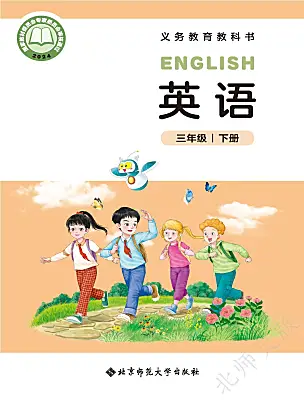
这是一份小学英语北师大版(2024)三年级下册(2024)Unit 5 I love China教案设计,共34页。教案主要包含了教材分析,教学目标,教学重难点,教学准备,教学过程,教学反思等内容,欢迎下载使用。
一、教材分析
(一)教材地位
本单元以 “I lve China” 为主题,聚焦于中国的地理风貌、名胜古迹以及丰富的文化元素。《Lessn 1》作为单元开篇,主要向学生介绍中国的一些基本地理信息和具有代表性的城市,如北京、上海、西安等,以及这些城市的特色。这不仅为后续课程深入探讨中国的文化、传统习俗等内容奠定基础,更有助于激发学生对祖国的热爱之情,增强民族自豪感,同时在英语学习过程中拓宽学生对国家和世界的认知视野。
(二)语篇内容分析
本课语篇呈现了 Xiahua 和 Xiabei 通过虚拟现实眼镜(VR glasses)游览中国的情景。他们在虚拟世界中看到了中国广阔的疆域、多样的地形,如山脉、河流、平原等,并提及了一些著名城市及其标志性特征。例如,北京是中国的首都,有雄伟的长城;上海是一座现代化的大都市,高楼林立;西安则是历史悠久的古都,有闻名世界的兵马俑。语篇中涉及的核心词汇有 “capital(首都)”“map(地图)”“muntain(山脉)”“river(河流)”“city(城市)” 等,以及核心句型 “This is... It's the capital f... It has...” 。通过这样生动有趣的语篇,引导学生学习如何用英语介绍中国的地理和城市相关信息,在语言学习中渗透对祖国的认识和热爱。
(三)教材编排特点
教材在本课编排上,先以色彩鲜艳、极具吸引力的中国地图和城市图片引入,直观呈现相关信息,引发学生的好奇心和学习兴趣。随后,通过简洁明了的对话文本,自然引出核心词汇和句型的运用。教材还设置了 “listen, read and answer”“lk and say” 等多样化的学习活动,从听、读、说等多维度锻炼学生的语言技能,逐步引导学生深入理解和掌握语篇内容,符合三年级学生的认知水平和英语学习规律。同时,教材注重知识的系统性和拓展性,将地理知识与英语语言学习有机结合,为学生构建全面的知识体系。
二、教学目标
(一)知识目标
学生能够准确认读、拼写并运用单词和短语:capital(首都)、map(地图)、muntain(山脉)、river(河流)、city(城市)、the Great Wall(长城)、the Terractta Army(兵马俑)、tall buildings(高楼大厦)。
理解并熟练掌握核心句型:This is... It's the capital f... It has... ,能用这些句型介绍中国的城市及其特色。
学生能够正确朗读并理解教材对话内容,掌握对话中的语音、语调及连读等发音技巧。
(二)能力目标
通过听、说、读、看等课堂活动,培养学生获取、分析和整合中国地理及城市信息的能力。
引导学生在实际情境中,运用所学句型流畅、准确地介绍中国的城市,提升口语表达与语言运用能力。
鼓励学生以小组合作的形式完成介绍中国城市的任务,锻炼团队协作与创新思维能力。
(三)情感态度与价值观目标
激发学生对祖国的热爱和赞美之情,增强民族自豪感。
培养学生对不同地域文化的兴趣和尊重,拓宽国际视野。
三、教学重难点
(一)教学重点
掌握与中国地理和城市相关的词汇和短语。
熟练运用介绍城市及其特色的核心句型。
理解并能流利朗读对话内容。
(二)教学难点
在实际交流中,灵活运用所学词汇和句型,全面、生动地介绍中国城市的特色,包括历史文化、现代建筑等方面,并能根据不同情境进行合理的拓展和延伸。
能够综合运用所学知识,有条理地向他人介绍多个中国城市的信息,培养学生的语言组织和逻辑思维能力。
四、教学准备
多媒体课件,包含中国地图、各城市的图片、视频,如长城的雄伟景象、上海的繁华街景、西安兵马俑的壮观场景等,以及教材对话的音频和视频资料。
单词卡片,一面写有单词,另一面配有对应的图片,用于词汇教学和巩固练习。例如,“the Great Wall” 对应长城的图片,“city” 对应城市的俯瞰图。
制作中国城市信息表格,用于学生在小组活动中整理和记录信息。表格设置 “City(城市)”“Feature(特色)”“Sentence(介绍句型)” 等栏目。
准备中国地图拼图,用于课堂互动游戏,帮助学生熟悉中国的地理轮廓和主要城市的位置。
设计带有中国元素的小奖品,如印有中国结、熊猫图案的贴纸、书签等,用于奖励学生在课堂上的积极表现。
五、教学过程
(一)Warming - up(5 分钟)
Greeting
T: Hell, bys and girls! Hw are yu tday?
Ss: Fine, thank yu. And yu?
T: I'm very well. Befre we start ur new lessn, let's sing a sng tgether.
设计意图:通过日常问候,营造轻松、友好的课堂氛围,拉近师生距离,为后续教学活动的顺利开展奠定基础。
Sing a sng: “We Lve China”
Play the sng n the multimedia. The sng lyrics express lve fr China and mentin sme Chinese landmarks. Encurage students t sing alng with the music and d sme simple actins.
After the sng, ask sme students: D yu like this sng? What places in China d yu remember frm the sng?
设计意图:歌曲《We Lve China》紧扣本节课主题,能迅速吸引学生注意力,活跃课堂气氛。在唱的过程中,学生初步接触与中国相关的词汇和情感表达。提问环节引导学生回忆歌曲内容,激活学生已有的关于中国的知识储备,为新课学习做铺垫。
(二)Lead - in(3 分钟)
Shw a big picture f China
Display a large, clrful picture f China n the screen, highlighting different gegraphical features and cities.
T: Lk at this picture. This is ur cuntry, China. It's a very big and beautiful cuntry. D yu knw where we live in China?
Invite several students t cme t the frnt f the class and pint t their hmetwns n the picture.
设计意图:展示中国地图图片,直观地引出本节课的主题 —— 中国。让学生指出自己家乡的位置,能增强学生的参与感和对祖国的亲近感,自然地导入新课,激发学生对中国地理和城市的探索欲望。
(三)Presentatin(15 分钟)
Vcabulary teaching
Shw the picture f a map.
T: Lk, what's this? It's a map. We can see many places n a map. Read after me, map.
Use the wrd card t teach the prnunciatin clearly, emphasizing the “a” sund. Then let students read it in different ways, such as individual reading, grup reading, and chanting: “Map, map, lk at the map.”
D the same way t teach the wrds “capital,muntain,river,city,the Great Wall,the Terractta Army,tall buildings” ne by ne with relevant pictures. Fr example, when teaching “the Great Wall”:
T: Lk at this amazing building. It's very lng. It's the Great Wall. Read after me, the Great Wall.
After teaching all the wrds, play a “Memry game”. Shw the wrd cards quickly, and then turn them ver. Ask students t recall and say the wrds they saw.
设计意图:运用图片和单词卡片进行词汇教学,符合三年级学生以形象思维为主的认知特点,使抽象的词汇变得直观易懂。多样化的朗读方式和有趣的游戏活动,能够帮助学生加深对单词发音和拼写的记忆,提高单词认读能力,增强学习的趣味性。“Memry game” 锻炼学生的记忆力和快速反应能力,巩固新学词汇。
Text learning
Dialgue learning
Play the recrding f the dialgue fr the first time. Students listen carefully and watch the pictures n the screen.
T: Listen carefully. Wh are talking in the dialgue? What are they talking abut?
After listening, ask sme students t answer. S1: Xiahua and Xiabei are talking. They are talking abut traveling in China with VR glasses.
Play the recrding again. This time, students listen and read after the recrding sentence by sentence.
Stp at the key sentences “This is... It's the capital f... It has...” t explain the usage and meaning. Use simple examples like “This is Beijing. It's the capital f China. It has the Great Wall.”
Divide the dialgue int parts. In the part abut Beijing:
T: Why is Beijing imprtant in China?
Guide students t think and answer. S2: Because it's the capital and has many famus places.
Analyze the parts abut Shanghai and Xi'an in the same way.
Expansin learning
Present sme additinal infrmatin abut the cities n the screen, such as Shanghai is a great place fr shpping and has the Oriental Pearl Twer. Explain these new features and let students repeat after the teacher.
Ask students t think abut ther famus cities in China and what they knw abut them. S3: Guangzhu has delicius fd.
设计意图:通过听录音整体感知对话内容,培养学生的听力理解能力。逐句跟读模仿有助于学生掌握正确的语音、语调。详细讲解重点句型和对话内容,结合实际例子帮助学生理解,符合学生的认知规律。拓展学习部分引导学生丰富对城市特色的认识,激发学生的思维,培养学生对中国更多城市的探索兴趣,提升语言运用能力。
(四)Practice(12 分钟)
Lk and say
Shw sme pictures f different Chinese cities n the screen, each with a special feature.
T: Nw, lk at these pictures. Wrk in pairs. Use the sentences we learned t intrduce the cities.
Fr example, S4: This is Shanghai. It's a big city in China. It has many tall buildings.
Let students start the activity. Walk arund the classrm t mnitr and ffer help if necessary. After a while, invite sme pairs t stand up and shw their intrductin.
设计意图:通过图片展示创设情境,让学生运用所学句型进行城市介绍练习,巩固所学语言知识,提高学生在不同情境中运用语言的能力,培养学生的语言迁移能力和口语表达能力,同时加深学生对中国城市的认识。
City guessing game
Divide the class int tw grups. One grup thinks f a Chinese city and gives sme clues abut it, such as “It's a capital city. It has a very famus wall.” The ther grup needs t guess the city.
After several runds, switch the rles f the tw grups.
设计意图:游戏活动能极大地激发学生的学习兴趣和积极性,增强学生运用语言的灵活性。在游戏过程中,学生需要运用所学词汇和句型描述城市特征,同时锻炼听力理解和推理能力,进一步巩固对中国城市及其特色的认识,培养学生的团队协作和竞争意识。
(五)Prductin(8 分钟)
Grup wrk: “My favrite Chinese city”
Divide the students int grups f fur. Give each grup a piece f paper and ask them t chse a Chinese city they like best.
T: Nw, in yur grup, discuss why yu like this city and what special features it has. Then write dwn yur intrductin using the sentences we learned. After that, chse ne student in yur grup t intrduce yur favrite city t the class.
Students start t discuss in grups. Walk arund t guide and help. Fr example, if a grup is nt sure hw t describe a feature, the teacher can give sme wrds r phrases.
After the grup wrk, invite sme grups t reprt. Fr example, ne grup's reprter says: “Our favrite city is Hangzhu. It's a very beautiful city. It has the West Lake. Peple can g bating n the lake and enjy the scenery.”
设计意图:小组合作活动能够培养学生的合作交流能力和团队意识。通过讨论、写作和汇报,学生能够综合运用所学知识,进一步巩固对城市介绍表达的能力,同时锻炼学生整理信息、书面表达和口头表达的能力,激发学生对中国城市的热爱和深入了解,培养学生的创新思维。
(六)Summary(1 分钟)
Review the key pints
T: Bys and girls, tday we have learned sme new wrds and phrases abut China's gegraphy and cities, such as capital, map, the Great Wall. And we als learned hw t intrduce Chinese cities with the sentences “This is... It's the capital f... It has...”
设计意图:课堂总结帮助学生梳理本节课所学的重点知识,加深学生对新知识的印象,强化记忆,让学生对本节课学习内容有一个系统的认识,便于知识的存储和提取,为后续学习奠定基础。
(七)Hmewrk(1 分钟)
Oral hmewrk
Ask students t g hme and talk abut their favrite Chinese city with their parents in English. They can als ask their parents abut ther interesting cities in China.
Written hmewrk
Let students draw a picture f their favrite Chinese city and write a shrt passage abut it, using at least three sentences. Fr example, “My favrite city is Chengdu. It's in Sichuan. It has cute pandas. I want t g there t see the pandas.”
设计意图:口头作业能够让学生将课堂所学知识运用到日常生活中,加强亲子间的交流,同时巩固课堂学习内容,培养学生运用英语交流的习惯。书面作业有助于培养学生的写作能力和综合运用语言的能力,通过画画和写作相结合的方式,增加作业的趣味性,提高学生完成作业的积极性,进一步强化学生对中国城市介绍的能力。
六、教学反思
在本节课的教学过程中,通过多种教学方法和丰富的活动设计,大部分学生能够积极参与课堂,较好地掌握了与中国地理和城市相关的词汇及核心句型,达到了预期的教学目标。在词汇教学环节,借助图片、单词卡片以及有趣的游戏,学生能够快速理解和记忆单词,学习兴趣浓厚。然而,在教学过程中发现部分学生在运用句型介绍城市时,对城市特色的描述较为单一,往往局限于教材中提到的内容,缺乏自主拓展。在今后的教学中,需要提供更多丰富的素材,如更多城市特色的图片、视频等,引导学生观察和思考,鼓励学生大胆表达自己对城市的认识和感受,丰富语言表达。在对话教学部分,通过听录音、跟读、分析等活动,学生对对话内容理解较为深入,口语表达能力也得到了锻炼。但在小组合作介绍城市的活动中,个别小组存在分工不明确、讨论效率不高的情况。在今后的教学中,要更加注重小组活动的组织和引导,提前明确小组分工,如指定组长负责组织讨论、记录员负责记录信息、汇报员负责向全班汇报等,确保每个学生都能积极参与到小组活动中,提高小组合作学习的效果。此外,在教学评价方面,可以进一步丰富评价形式。除了教师对学生知识掌握和课堂表现的评价外,增加学生自评和互评环节。学生自评可以让学生回顾自己在课堂上的学习过程,发现自己的优点和不足;互评能促进学生之间的相互学习和交流,从他人的表现中获取经验。例如,在小组活动后,让学生从语言运用准确性、团队合作积极性、介绍内容丰富度等方面进行自评和互评。总体而言,本节课在教学内容和教学方法上有一定的成效,但也存在一些需要改进和完善的地方,在今后的教学中应不断优化教学过程,提高教学质量,以更好地满足学生的学习需求,同时更好地实现培养学生对祖国热爱之情的情感目标。
Lessn 2
一、教材分析
(一)教材地位与作用
《Unit 5 I lve China》是新教材北师大版(2024)小学英语三年级下册中的重要单元,致力于培养学生对祖国的热爱之情,同时拓展学生关于中国文化、地理等方面的英语表达能力。《Lessn 2》作为该单元的关键课时,在承接上一课对中国初步介绍的基础上,进一步深入学习与中国相关的特色内容,如中国的名胜古迹、传统节日等。通过对这些内容的学习,不仅丰富了学生的词汇量和语言表达句式,更重要的是让学生在英语学习过程中增强民族自豪感,激发学生对中国文化的探索兴趣,为后续更高层次的英语学习以及跨文化交流奠定坚实基础。
(二)教材内容分析
本课时的教材内容主要围绕中国的著名景点展开,包括长城(The Great Wall)、故宫(The Frbidden City)、兵马俑(The Terractta Army)等词汇的学习,以及如何运用句型 “Where It's in...” 来描述这些景点的地理位置。课文以生动有趣的对话形式呈现,两个小朋友在交流他们对中国著名景点的了解,这样的情境设置贴近学生生活实际,易于学生理解和接受,同时也为学生提供了真实的语言运用场景,帮助学生在实际交流中运用所学知识。此外,教材还通过图片、简单的文字介绍等方式,向学生展示了这些景点的独特魅力,让学生在学习英语的过程中,对中国的历史文化有更深入的认识。
二、教学目标
(一)知识目标
学生能够听懂、会说、认读并拼写与中国著名景点相关的词汇:The Great Wall、The Frbidden City、The Terractta Army。
学生能够理解并运用句型 “Where It's in...” 来询问和回答景点的地理位置。
学生能够理解课文内容,掌握课文中关于景点描述的关键信息。
(二)能力目标
通过听说读写的训练,提升学生的语言综合运用能力,使学生能够在实际情境中熟练运用所学词汇和句型交流关于中国景点的话题。
培养学生的阅读理解能力,能够从课文中提取关键信息,理解文本含义,并能根据课文内容进行简单的拓展和延伸。
锻炼学生的思维能力和创造力,引导学生结合已有的知识和生活经验,用英语描述自己所知道的中国景点或去过的地方。
(三)情感目标
激发学生对英语学习的热情,增强学生学习英语的自信心和积极性。
培养学生对中国文化的热爱和民族自豪感,让学生在学习英语的过程中,更加深入地了解和认同自己的祖国文化。
三、教学重难点
(一)教学重点
掌握与中国著名景点相关的三个词汇的发音、拼写和用法。
熟练运用句型 “Where It's in...” 进行问答。
理解并能朗读、复述课文内容。
(二)教学难点
词汇 The Frbidden City 和 The Terractta Army 的发音和拼写较为复杂,学生可能难以准确掌握,需要重点指导。
在实际交流中,能够灵活运用所学句型,自然流畅地表达景点的地理位置,并且能够结合其他相关信息进行拓展性描述。
引导学生在理解课文的基础上,进行创造性的表达,如描述自己理想中游览这些景点的经历或感受。
四、教学准备
制作精美的教学课件,包含中国著名景点的高清图片、生动的动画、课文录音及视频等,以增强教学的直观性和趣味性。
准备单词卡片,将 The Great Wall、The Frbidden City、The Terractta Army 这三个词汇写在卡片上,并配上对应的景点图片,方便学生认读和记忆。
准备一些小道具,如长城、故宫、兵马俑的小型模型或图片拼图,用于课堂演示和互动,帮助学生更好地理解词汇含义。
设计课堂练习纸,包括词汇拼写、句型填空、阅读理解、口语表达等多种题型,用于巩固学生所学知识。
准备奖励小贴纸,对课堂上积极参与、表现优秀的学生给予奖励,激发学生的学习动力。
五、教学过程
(一)Warming - up
Greetings
T: Hell, bys and girls! Hw are yu tday?
Ss: Fine, thank yu. And yu?
T: I'm great. Are yu ready fr ur interesting English jurney tday?
Ss: Yes!
Sing a sng
Play the sng “We Lve China” n the multimedia. Let the students sing alng with the music and d sme simple hand - waving actins.
设计意图:通过热情的问候和欢快的爱国主题歌曲,营造积极向上的课堂氛围,吸引学生的注意力,激发学生的学习兴趣,同时自然地引出本节课与中国相关的主题,为新课学习做好情感铺垫。
(二)Presentatin
Teach new wrds
Shw a picture f the Great Wall winding acrss the muntains n the screen.
T: Lk at this amazing picture. What is it? It's the Great Wall. The Great Wall is very lng and it's ne f the greatest wnders in the wrld. Read after me, The Great Wall. (Write the wrds “The Great Wall” n the blackbard and lead the students t read it several times, emphasizing the prnunciatin f each wrd and the stress n “Great”)
Use the same methd t teach the wrds “The Frbidden City” and “The Terractta Army”. Shw relevant pictures respectively, such as the magnificent Frbidden City buildings fr “The Frbidden City”, and the rws f terractta warrirs fr “The Terractta Army”. When teaching “The Frbidden City”, explain the meaning f “frbidden” and the histrical backgrund briefly. When teaching “The Terractta Army”, pay attentin t the prnunciatin f “Terractta” and “Army”.
After teaching the three wrds, play a game called “Picture and Wrd Match”. Divide the students int tw grups. Shw the pictures f the three attractins n the screen ne by ne, and then hld up the wrd cards. The tw grups race t match the pictures with the crrect wrd cards. The grup that gets mre crrect answers wins and each member gets a small sticker.
设计意图:运用直观的图片展示新词汇所代表的著名景点,符合三年级学生形象思维为主的认知特点,有助于学生快速理解和记忆词汇。详细讲解词汇的发音、拼写和相关文化背景知识,拓宽学生的知识面。通过有趣的游戏,增加学习的趣味性,提高学生的注意力和参与度,巩固学生对新词汇的记忆,同时培养学生的团队合作精神和竞争意识。
Teach key sentence pattern
T: Nw, bys and girls. We knw these famus places in China. But d yu knw where they are? Lk, the Great Wall. (Pint t the picture f the Great Wall) Where is the Great Wall? It's in many prvinces in nrthern China. Fr example, it's in Beijing. (Shw a map f China and pint t Beijing) Where is the Great Wall? It's in Beijing. Read after me.
Let the students repeat the sentence several times, and then change the place t practice mre sentences. Fr example:
T: Where is the Frbidden City?
Ss: It's in Beijing.
Then write the key sentence pattern “Where It's in...” n the blackbard. Let the students read the sentences tgether.
Next, ask the students t practice the dialgue in pairs, using the new wrds they just learned. Walk arund the classrm t listen and give guidance.
设计意图:通过教师的示范和引导,结合图片和地图,让学生理解句型的含义和用法。多样化的练习让学生在实践中熟悉句型结构,鼓励学生积极参与对话练习,培养学生的口语表达能力,让学生能够运用英语准确描述景点的地理位置,感受英语在实际生活中的应用。
(三)Text learning
Listen and answer
T: Nw, let's listen t a dialgue between tw friends. Listen carefully and find ut which places they are talking abut. (Play the recrding f the text fr the first time)
After listening, ask the students t raise their hands and answer the questin.
Ss: They are talking abut the Great Wall and the Frbidden City.
Listen and read
Play the recrding again, and this time let the students listen and read after the tape sentence by sentence. The teacher walks arund the classrm, paying attentin t the students' prnunciatin and intnatin. Stp at sme difficult sentences and explain them. Fr example, fr the sentence “I want t visit the Frbidden City smeday. It's s beautiful!”, explain the meaning f “visit” and “smeday”, and hw t express the desire t d smething in the future.
After listening and reading, ask the students t read the text in pairs, helping each ther with the prnunciatin and understanding.
Read and act
Divide the students int pairs. Each pair is assigned t act ut the dialgue. They can use the small prps r pictures prepared in advance t make their perfrmance mre vivid.
Invite several pairs f students t cme t the frnt f the classrm and shw their perfrmance. The rest f the students watch and evaluate. After each perfrmance, ask the audience sme questins related t the perfrmance, like “What did they say abut the Great Wall?”.
设计意图:听力训练帮助学生捕捉关键信息,培养学生的听力理解能力。跟读和分角色朗读环节,让学生在模仿中纠正发音,提高朗读水平,同时加深对课文内容的理解。角色扮演活动使课堂更加生动有趣,增强学生的口语表达能力和团队协作能力,让学生在亲身体验中更好地掌握课文知识,提高学生的学习积极性和主动性,同时也培养学生的观察力和评价能力。
(四)Practice
Grup wrk
Divide the students int grups f fur. Each grup gets a set f cards with different Chinese attractins written n ne side and their lcatins n the ther side.
The task fr each grup is t take turns t pick a card, read the name f the attractin n the card, and then ask and answer questins within the grup using the sentence pattern “Where It's in...”. Fr example:
S1: I pick a card. Where is the West Lake?
S2: It's in Hangzhu.
S1: Right. Nw it's yur turn.
Walk arund the grups t give guidance and help. Encurage the students t ask mre detailed questins, such as “What can we see there?”.
Make a survey
Hand ut a survey frm t each student. The frm has clumns fr “Name”, “Favrite Chinese Attractin”, “Lcatin”, “Reasn”.
T: Nw, bys and girls. Yu need t make a survey amng yur classmates. Ask them “What's yur favrite Chinese attractin? Where is it? Why d yu like it?”. Write dwn their answers in the frm. Then reprt yur results t the class.
The students start t d the survey. After finishing the survey, ask several students t reprt their results. Fr example:
S1: I surveyed three classmates. Tm's favrite Chinese attractin is the Yellw Muntain. It's in Anhui. He likes it because the scenery is very beautiful. Lily likes the Guilin Landscape. It's in Guangxi. She likes it because f the clear water and strange muntains. And Jack likes the Ptala Palace. It's in Lhasa. He likes it because it's very mysterius.
设计意图:小组活动为学生提供了更多的口语交流机会,培养学生的合作学习能力和沟通能力。通过阅读和交流卡片上的信息,学生能够更加熟练地运用所学句型,同时丰富对中国景点的表达和讨论。调查活动则进一步巩固了所学知识,让学生在实际情境中运用英语进行交流,同时提高学生的信息收集和整理能力以及口语表达能力,引导学生深入思考自己对中国景点的喜爱原因,增强对祖国文化的认同感。
(五)Prductin
Let the students draw a picture f their favrite Chinese attractin n a piece f white paper. They can als draw sme ther elements related t the attractin, such as peple, animals, r buildings arund it.
After drawing, ask the students t write a shrt passage abut their pictures using the wrds and sentences they learned. Fr example:
“My favrite Chinese attractin is the Frbidden City. It's in Beijing. It's very big and beautiful. There are many palaces in it. I can see the red walls and yellw rfs. I want t visit it smeday because I want t knw mre abut the histry f China.”
Invite several students t cme t the frnt f the classrm, shw their pictures and read their passages t the class. The rest f the students listen carefully and can ask sme questins if they are interested.
设计意图:绘画和写作相结合的活动,充分发挥学生的想象力和创造力,让学生将所学知识与个人兴趣和生活实际紧密联系起来。通过用英语描述自己的画作,学生能够综合运用词汇、句型和语法知识,提高语言综合运用能力,同时培养学生的自信心和表达能力,展示学生的个性和风采,促进学生之间的交流和分享,进一步加深学生对中国著名景点的认识和热爱。
(六)Summary and hmewrk
Summary
T: Bys and girls, tday we learned sme new wrds abut famus Chinese attractins, like The Great Wall, The Frbidden City, The Terractta Army. And we learned hw t ask and answer abut the lcatins f these attractins using the sentence pattern “Where It's in...”. Als, we read a very interesting dialgue abut tw friends' talk abut Chinese attractins. Let's review these wrds and sentences tgether. (Review the new wrds and key sentence pattern with the students, asking them t read alud and spell the wrds)
Hmewrk
Ask the students t make a small travel guide abut a Chinese attractin they like. They can draw pictures, write the name, lcatin, and sme interesting things abut the attractin in English.
Encurage the students t share their travel guides with their family members and intrduce the Chinese attractin t them in English.
设计意图:课堂总结帮助学生梳理本节课所学的重点知识,强化记忆,让学生对所学内容有一个清晰的整体认识。课后作业既巩固了课堂所学知识,又将英语学习延伸到课外,通过制作和分享旅行指南,培养学生的动手能力和语言运用能力,同时增强学生与家人之间的交流互动,提高学生学习英语的兴趣和积极性,进一步加深学生对中国文化的了解和热爱。
六、教学反思
在本节课的教学过程中,通过运用多种教学方法和丰富的教学活动,如图片展示、游戏、小组合作、角色扮演等,成功地激发了学生的学习兴趣,学生参与度较高,大部分学生能够掌握新学的词汇和句型,并能在一定程度上运用所学知识进行交流和表达。然而,在教学实践中也暴露出一些不足之处。
例如,在教授词汇 The Frbidden City 和 The Terractta Army 时,尽管通过多次示范和详细讲解,但仍有部分学生发音不准确,拼写也存在困难,后续需要加强个别辅导和针对性练习,可采用更多有趣的记忆方法,如编儿歌、做手势等,帮助学生加深记忆。在小组活动中,个别小组存在学生参与不均衡的情况,部分基础较弱的学生发言较少,可能是小组活动的难度设置不够合理,或者小组分工不够明确。在今后的教学中,要更加关注学生的个体差异,优化小组活动的设计,根据学生的实际水平调整活动难度,明确小组成员的分工,为每个学生提供充分的参与机会,鼓励学生互相帮助、共同进步。
此外,在引导学生进行写作表达时,部分学生出现语法错误较多、表达不够流畅的情况。在未来的教学中,可以增加一些语法知识的专项讲解和练习,结合写作内容进行渗透,同时提供更多优秀的写作范例,让学生进行模仿和学习,逐步提高学生的写作能力。同时,在时间把控上还需要进一步优化,确保每个教学环节都能充分展开,又不会出现前松后紧的情况。总体而言,通过对本节课的反思,我将在后续教学中不断改进教学方法和策略,以更好地满足学生的学习需求,提高教学效果。
Lessn 3
一、教学目标
(一)知识目标
学生能够听懂、会说、认读并拼写与中国特色事物相关的词汇,如 dragn(龙)、panda(熊猫)、Chinese knt(中国结)、paper - cut(剪纸)。
学生能够理解并运用句型 “This is... It's a symbl f...” 来介绍中国特色事物及其象征意义。
学生能够理解课文内容,掌握文中关于中国特色事物描述的关键信息。
(二)能力目标
通过听说读写的训练,提升学生的语言综合运用能力,使学生能够在实际情境中运用所学词汇和句型介绍中国特色事物,进行简单的交流。
培养学生的阅读理解能力,能够从课文中提取关键信息,理解文本含义,并能根据课文内容进行简单的推理和判断。
锻炼学生的思维能力和创造力,引导学生结合生活实际,用英语描述自己所知道的其他中国特色事物,培养学生的发散性思维。
(三)情感目标
持续激发学生对英语学习的热情,增强学生学习英语的自信心和积极性,培养学生主动用英语交流的意识。
进一步培养学生对中国文化的热爱和民族自豪感,让学生在学习英语的过程中,更加深入地了解和认同自己的祖国文化,同时拓宽国际视野,为跨文化交流奠定基础。
二、教学重难点
(一)教学重点
掌握与中国特色事物相关的四个词汇的发音、拼写和用法。
熟练运用句型 “This is... It's a symbl f...” 进行表达。
理解并能朗读、复述课文内容。
(二)教学难点
词汇 dragn 的发音对于部分学生可能有难度,Chinese knt 的发音和拼写较为复杂,需要重点指导。
在实际交流中,能够灵活运用所学句型,自然流畅地表达中国特色事物及其象征意义,并且能够结合更多细节进行拓展性描述。
引导学生在理解课文的基础上,进行创造性的表达,如对中国特色事物象征意义的独特理解和阐述。
三、教学准备
制作内容丰富的教学课件,包含中国特色事物的高清图片、有趣的动画演示、课文录音及相关视频资料等,以增强教学的直观性和趣味性,吸引学生的注意力。
准备单词卡片,将 dragn、panda、Chinese knt、paper - cut 这四个单词写在卡片上,并配上精美的对应图片,方便学生认读和记忆。同时,制作一些带有例句的卡片,用于句型教学。
准备实物道具,如小龙玩具、熊猫玩偶、中国结、剪纸作品等,在课堂上用于演示和互动,让学生更加直观地感受这些中国特色事物,帮助学生更好地理解词汇含义。
设计课堂练习纸,涵盖词汇拼写、句型填空、阅读理解、口语表达等多种题型,用于巩固学生所学知识,检验学生的学习效果。
准备奖励小贴纸,对课堂上积极参与、表现优秀的学生给予奖励,激发学生的学习动力和竞争意识。
四、教学过程
(一)Warming - up(5 分钟)
Greetings
T: Hell, bys and girls! Hw was yur week?
Ss: Great! / Nt bad!
T: Wnderful! Are yu excited fr ur new English class tday?
Ss: Yes!
Review
Shw sme pictures f Chinese attractins learned in the last lessn, such as the Great Wall, the Frbidden City, and the Terractta Army n the screen.
T: Lk at these pictures. Wh can tell me the names f these places in English? (Invite several students t answer)
Ss: The Great Wall, The Frbidden City, The Terractta Army.
T: Very gd! And where are they? Use the sentence pattern we learned.
S1: The Great Wall is in many prvinces in nrthern China.
S2: The Frbidden City is in Beijing.
-...
设计意图:通过亲切的问候和复习上节课所学的中国著名景点,营造轻松和谐的课堂氛围,拉近师生距离。复习环节不仅能帮助学生巩固已学知识,还能自然地引出本节课与中国特色事物相关的主题,为新课学习做好知识铺垫,同时锻炼学生的口语表达能力,激发学生的学习兴趣。
(二)Presentatin(10 分钟)
Teach new wrds
Shw a picture f a dragn with bright clrs and a fierce lk n the screen.
T: Lk at this amazing creature. It's a dragn. In Chinese culture, the dragn is a very imprtant symbl. It represents pwer and gd luck. Read after me, dragn. (Write the wrd “dragn” n the blackbard and lead the students t read it several times, emphasizing the prnunciatin f the “a” as /æ/)
Then take ut a small dragn ty and shw it t the students, let them tuch and feel it.
Use the same methd t teach the wrds “panda”, “Chinese knt” and “paper - cut”. Shw relevant pictures and real bjects respectively, such as a cute panda eating bamb fr “panda”, a beautiful Chinese knt fr “Chinese knt”, and sme delicate paper - cut wrks fr “paper - cut”. When teaching “Chinese knt”, explain the meaning f “knt” and the cultural significance f Chinese knts. When teaching “paper - cut”, shw hw paper - cuts are made briefly.
After teaching the fur wrds, play a game called “What's missing?”. Put all the wrd cards and crrespnding bjects n the table. Let the students lk at them fr a while, and then the teacher secretly takes away ne bject and its crrespnding wrd card. Ask the students t tell which ne is missing. The ne wh answers crrectly gets a small sticker.
设计意图:运用直观的图片和实物展示新词汇所代表的中国特色事物,符合三年级学生形象思维占主导的认知特点,有助于学生快速理解和记忆词汇。详细讲解词汇的发音、拼写和文化内涵,拓宽学生的知识面,增强学生对中国文化的了解。游戏环节增加了学习的趣味性,提高学生的注意力和参与度,巩固学生对新词汇的记忆,同时培养学生的观察力和记忆力。
Teach key sentence pattern
Pick up a Chinese knt.
T: Nw, bys and girls. Lk at this. This is a Chinese knt. (Hld up the Chinese knt and shw it t the students) It's a symbl f gd luck. We can say “This is a Chinese knt. It's a symbl f gd luck.” Read after me.
Let the students repeat the sentence several times, and then change the bject t practice mre sentences. Fr example, pick up a panda dll.
T: This is a panda. What is it a symbl f?
Ss: It's a symbl f China.
T: Yes, very gd. This is a panda. It's a symbl f China.
Then write the key sentence pattern “This is... It's a symbl f...” n the blackbard. Let the students read the sentences tgether.
Next, ask the students t practice the dialgue in pairs, using the new wrds they just learned. Walk arund the classrm t listen and give guidance.
设计意图:通过教师的示范和引导,结合实物展示,让学生理解句型的含义和用法。多样化的练习让学生在实践中熟悉句型结构,鼓励学生积极参与对话练习,培养学生的口语表达能力,让学生能够运用英语准确介绍中国特色事物及其象征意义,感受英语在传播中国文化中的实用性。
(三)Text learning(15 分钟)
Listen and answer
T: Nw, let's listen t a dialgue between tw friends. Listen carefully and find ut what Chinese things they are talking abut. (Play the recrding f the text fr the first time)
After listening, ask the students t raise their hands and answer the questin.
Ss: They are talking abut a dragn dance and a panda.
Listen and read
Play the recrding again, and this time let the students listen and read after the tape sentence by sentence. The teacher walks arund the classrm, paying attentin t the students' prnunciatin and intnatin. Stp at sme difficult sentences and explain them. Fr example, fr the sentence “The dragn dance is s cl! It's a traditinal Chinese activity.”, explain the meaning f “traditinal” and hw t use this sentence t describe traditinal Chinese culture.
After listening and reading, ask the students t read the text in pairs, helping each ther with the prnunciatin and understanding.
Read and act
Divide the students int pairs. Each pair is assigned t act ut the dialgue. They can use the small prps r pictures prepared in advance t make their perfrmance mre vivid.
Invite several pairs f students t cme t the frnt f the classrm and shw their perfrmance. The rest f the students watch and evaluate. After each perfrmance, ask the audience sme questins related t the perfrmance, like “What did they say abut the panda?”.
设计意图:听力训练帮助学生捕捉关键信息,培养学生的听力理解能力。跟读和分角色朗读环节,让学生在模仿中纠正发音,提高朗读水平,同时加深对课文内容的理解。角色扮演活动使课堂更加生动有趣,增强学生的口语表达能力和团队协作能力,让学生在亲身体验中更好地掌握课文知识,提高学生的学习积极性和主动性,同时也培养学生的观察力和评价能力。
(四)Practice(10 分钟)
Grup wrk
Divide the students int grups f fur. Each grup gets a set f cards with different Chinese things written n ne side and their symbls n the ther side.
The task fr each grup is t take turns t pick a card, read the name f the Chinese thing n the card, and then make a sentence using the sentence pattern “This is... It's a symbl f...” within the grup. Fr example:
S1: I pick a card. This is a paper - cut. It's a symbl f happiness.
S2: Gd. Nw it's my turn. This is a Chinese knt. It's a symbl f gd luck.
Walk arund the grups t give guidance and help. Encurage the students t add mre details, such as where they can see these Chinese things.
Make a pster
Hand ut a large piece f white paper t each grup.
T: Nw, bys and girls. Yur grup needs t make a pster abut Chinese things. Yu can draw pictures f the Chinese things we learned tday r ther Chinese things yu knw. Write their names and use the sentence pattern “This is... It's a symbl f...” t describe them.
The grups start t wrk n their psters. After they finish, ask each grup t cme t the frnt f the classrm and intrduce their psters t the class. The ther grups listen carefully and can ask sme questins.
设计意图:小组活动为学生提供了更多的口语交流机会,培养学生的合作学习能力和沟通能力。通过阅读和交流卡片上的信息,学生能够更加熟练地运用所学句型,同时丰富对中国特色事物的表达和讨论。制作海报活动则进一步巩固了所学知识,让学生将所学内容以直观的方式呈现出来,提高学生的动手能力、创造力和团队协作能力,同时增强学生对中国文化的认同感和自豪感,促进学生之间的交流和分享。
(五)Prductin(5 分钟)
Let the students chse ne Chinese thing they like best. They can either draw a picture f it r write a shrt passage abut it using the wrds and sentences they learned.
After they finish, ask the students t share their wrks with their partners. Then invite several students t cme t the frnt f the classrm and shw their wrks t the whle class, and intrduce their chsen Chinese thing in English.
设计意图:给学生自主选择和创作的空间,充分发挥学生的想象力和创造力,让学生将所学知识与个人兴趣紧密联系起来。通过分享和展示,学生能够综合运用词汇、句型和语法知识,提高语言综合运用能力,同时培养学生的自信心和表达能力,展示学生的个性和风采,进一步加深学生对中国特色事物的认识和热爱。
(六)Summary and hmewrk(5 分钟)
Summary
T: Bys and girls, tday we learned sme new wrds abut Chinese things, like dragn, panda, Chinese knt, paper - cut. And we learned hw t intrduce these Chinese things and their symbls using the sentence pattern “This is... It's a symbl f...”. Als, we read a very interesting dialgue abut Chinese things. Let's review these wrds and sentences tgether. (Review the new wrds and key sentence pattern with the students, asking them t read alud and spell the wrds)
Hmewrk
Ask the students t make a small pht album abut Chinese things. They can take pictures f Chinese things they see arund them, such as Chinese knts in a shp, paper - cuts n the windw, r panda tys at hme. Then write a shrt descriptin under each pht using English.
Encurage the students t share their pht albums with their family members and intrduce the Chinese things t them in English.
设计意图:课堂总结帮助学生梳理本节课所学的重点知识,强化记忆,让学生对所学内容有一个清晰的整体认识。课后作业既巩固了课堂所学知识,又将英语学习延伸到课外,通过制作和分享照片集,培养学生的观察能力、动手能力和语言运用能力,同时增强学生与家人之间的交流互动,提高学生学习英语的兴趣和积极性,进一步加深学生对中国文化的了解和热爱。
五、教学反思
在本节课的教学过程中,通过运用多种教学方法和丰富的教学活动,如图片展示、实物演示、游戏、小组合作、角色扮演等,成功地激发了学生的学习兴趣,学生参与度较高,大部分学生能够掌握新学的词汇和句型,并能在一定程度上运用所学知识进行交流和表达。然而,在教学实践中也暴露出一些不足之处。
例如,在教授词汇 dragn 和 Chinese knt 时,尽管采取了多种方式进行发音示范和拼写讲解,但仍有部分学生发音不准确,拼写容易出错,后续需要加强个别辅导和针对性练习,可采用更多有趣的记忆方法,如将单词发音与形象的动作或故事相结合,帮助学生加深记忆。在小组活动中,个别小组存在学生参与不均衡的情况,部分基础较弱的学生发言较少,可能是小组活动的难度设置不够合理,或者小组分工不够明确。在今后的教学中,要更加关注学生的个体差异,优化小组活动的设计,根据学生的实际水平调整活动难度,明确小组成员的分工,为每个学生提供充分的参与机会,鼓励学生互相帮助、共同进步。
此外,在引导学生进行创造性表达时,部分学生的思维受到一定限制,表达内容较为单一。在未来的教学中,可以提供更多开放性的话题和情境,启发学生的思维,培养学生的创新能力和语言运用的灵活性。同时,在时间把控上还需要进一步优化,确保每个教学环节都能充分展开,又不会出现前松后紧的情况。总体而言,通过对本节课的反思,我将在后续教学中不断改进教学方法和策略,以更好地满足学生的学习需求,提高教学效果,让学生在英语学习中更好地领略中国文化的魅力。
Lessn 4
一、教材分析
(一)单元主题及地位
本单元围绕 “I lve China” 展开,旨在让学生了解中国丰富的地理风貌、悠久的历史文化等内容,培养学生对祖国的热爱之情和民族自豪感。《Lessn 4》作为单元的总结提升课,在前几课介绍中国城市、名胜古迹等基础上,进一步深入探讨中国文化的特色,如传统节日、民间艺术等,起到整合和拓展单元知识的关键作用,帮助学生构建更全面的关于中国的知识体系,提升学生用英语表达对中国文化认知的能力。
(二)语篇内容分析
本课语篇通过 Xiahua 和 Xiabei 参观中国文化展览的情境,呈现了中国丰富多彩的文化元素。他们看到了剪纸、京剧脸谱、传统服饰等民间艺术作品,还讨论了中国的传统节日,如春节、中秋节等。语篇中包含核心词汇:paper - cutting(剪纸)、Peking Opera mask(京剧脸谱)、traditinal clthes(传统服饰)、festival(节日)、Spring Festival(春节)、Mid - Autumn Festival(中秋节)等,以及核心句型:What are these? They are... What d peple d Peple... 。通过生动的对话形式,引导学生学习如何用英语描述和讨论中国文化元素,使学生在语言学习中感受中国文化的魅力。
(三)教材编排特点
教材在本课编排上,以直观的文化展览图片开篇,迅速吸引学生注意力,引出相关文化元素的词汇和句型。随后,通过对话文本,自然地呈现这些词汇和句型在实际交流中的运用。教材还设置了 “listen, answer and say”“lk and talk” 等多样化的学习活动,从听、说、读等多维度锻炼学生的语言技能,符合三年级学生的认知水平和英语学习规律。同时,注重知识的系统性和连贯性,将之前学习的中国相关知识与本课的文化内容相融合,引导学生综合运用所学知识,加深对中国文化的理解和表达。
二、教学目标
(一)知识目标
学生能够准确认读、拼写并运用单词和短语:paper - cutting(剪纸)、Peking Opera mask(京剧脸谱)、traditinal clthes(传统服饰)、festival(节日)、Spring Festival(春节)、Mid - Autumn Festival(中秋节)、dragn dance(舞龙)、mn cake(月饼)等。
理解并熟练掌握核心句型:What are these? They are... What d peple d Peple...,能用这些句型询问和描述中国文化元素及相关节日活动。
学生能够正确朗读并理解教材对话内容,掌握对话中的语音、语调及连读等发音技巧。
(二)能力目标
通过听、说、读、看等课堂活动,培养学生获取、分析和整合中国文化信息的能力。
引导学生在实际情境中,运用所学句型流畅、准确地交流中国文化相关话题,提升口语表达与语言运用能力。
鼓励学生以小组合作的形式完成介绍中国文化的任务,锻炼团队协作与创新思维能力。
(三)情感态度与价值观目标
激发学生对中国文化的浓厚兴趣和热爱之情,增强民族自豪感。
培养学生对不同文化的尊重和包容,拓宽国际视野,提升文化交流意识。
三、教学重难点
(一)教学重点
掌握与中国文化元素和传统节日相关的词汇和短语。
熟练运用询问和描述中国文化及节日活动的核心句型。
理解并能流利朗读对话内容。
(二)教学难点
在实际交流中,灵活运用所学词汇和句型,全面、生动地介绍中国文化的特色和传统节日的习俗,并能根据不同情境进行合理的拓展和延伸。
能够综合运用所学知识,有条理地向他人介绍中国文化,培养学生的语言组织和逻辑思维能力,同时提升学生用英语传播中国文化的能力。
四、教学准备
多媒体课件,包含中国文化元素的图片、视频,如精美的剪纸作品展示、京剧表演片段、传统服饰走秀视频等,以及教材对话的音频和视频资料。还准备一些常见传统节日的庆祝场景视频,如春节的热闹氛围、中秋节的赏月场景等。
单词卡片,一面写有单词,另一面配有对应的图片,用于词汇教学和巩固练习。例如,“paper - cutting” 对应剪纸图片,“Spring Festival” 对应春节阖家团圆的图片。
制作中国文化信息表格,用于学生在小组活动中整理和记录信息。表格设置 “Cultural Element(文化元素)”“Descriptin(描述)”“Festival Activity(节日活动)” 等栏目。
准备一些中国文化实物道具,如剪纸作品、京剧脸谱面具、传统服饰(简化版)等,用于课堂展示和互动体验。
设计带有中国文化特色的小奖品,如印有中国结、熊猫图案的贴纸、书签等,用于奖励学生在课堂上的积极表现。
五、教学过程
(一)Warming - up(5 分钟)
Greeting
T: Hell, bys and girls! Hw are yu tday?
Ss: Fine, thank yu. And yu?
T: I'm wnderful. Befre we start ur new lessn, let's play a quick game.
设计意图:通过日常问候,营造轻松、友好的课堂氛围,拉近师生距离,为后续教学活动的顺利开展奠定基础。
Play a game: “Chinese culture quiz”
The teacher shws sme pictures n the screen, such as a picture f the Great Wall, a panda, and a traditinal Chinese fan. Then asks questins like “What is this? Which cuntry des it belng t?” Students raise their hands t answer.
After a few runds, ask sme students: What ther things d yu knw abut Chinese culture?
设计意图:“Chinese culture quiz” 游戏能够迅速吸引学生的注意力,激发学生的兴趣。通过图片问答,学生回顾之前学过的中国相关知识,激活已有的知识储备,为新课学习做铺垫。询问学生对中国文化的其他了解,引导学生积极思考,参与课堂互动,引出本节课关于中国文化深入学习的主题。
(二)Lead - in(3 分钟)
Shw pictures f a Chinese culture exhibitin
Display pictures f a clrful Chinese culture exhibitin hall filled with varius cultural items like paper - cuttings, Peking Opera masks, and traditinal clthes n the screen.
T: Lk at these pictures. This is a Chinese culture exhibitin. There are s many interesting things. D yu want t knw what they are?
设计意图:展示中国文化展览图片,直观地呈现本节课的主题 —— 中国文化。引发学生的好奇心和探索欲望,自然地导入新课,让学生对即将学习的内容充满期待。
(三)Presentatin(15 分钟)
Vcabulary teaching
Shw a piece f paper - cutting.
T: Lk, what's this? It's paper - cutting. Peple use scissrs t cut paper int beautiful shapes. Read after me, paper - cutting.
Use the wrd card t teach the prnunciatin clearly, emphasizing the tw - part cmbinatin. Then let students read it in different ways, such as individual reading, grup reading, and chanting: “Paper - cutting, paper - cutting, beautiful paper - cutting.”
D the same way t teach the wrds “Peking Opera mask,traditinal clthes,festival,Spring Festival,Mid - Autumn Festival,dragn dance,mn cake” ne by ne with relevant pictures r 实物道具. Fr example, when teaching “Peking Opera mask”:
T: This is a Peking Opera mask. Peple wear it when they perfrm Peking Opera. Read after me, Peking Opera mask.
After teaching all the wrds, play a “Wrd matching game”. Divide the students int pairs. Give each pair a set f cards with wrds n ne side and pictures n the ther. They need t match the wrds with the crrect pictures as quickly as pssible.
设计意图:运用实物道具和图片进行词汇教学,符合三年级学生以形象思维为主的认知特点,使抽象的词汇变得直观易懂。多样化的朗读方式和有趣的游戏活动,能够帮助学生加深对单词发音和拼写的记忆,提高单词认读能力,增强学习的趣味性。“Wrd matching game” 能巩固新学词汇,培养学生的合作能力和反应能力。
Text learning
Dialgue learning
Play the recrding f the dialgue fr the first time. Students listen carefully and watch the pictures n the screen.
T: Listen carefully. Wh are talking in the dialgue? Where are they?
After listening, ask sme students t answer. S1: Xiahua and Xiabei are talking. They are at a Chinese culture exhibitin.
Play the recrding again. This time, students listen and read after the recrding sentence by sentence.
Stp at the key sentences “What are these? They are... What d peple d Peple...” t explain the usage and meaning. Use simple examples like “What are these? They are bks. What d peple d at schl? Peple study.”
Divide the dialgue int parts. In the part abut paper - cutting:
T: Why d peple like paper - cutting?
Guide students t think and answer. S2: Because it's beautiful and it can shw gd wishes.
Analyze the parts abut Peking Opera masks and traditinal clthes in the same way.
Expansin learning
Present sme additinal infrmatin abut traditinal festivals n the screen, such as at the Dragn Bat Festival, peple eat zngzi and have dragn bat races. Explain these new festival activities and let students repeat after the teacher.
Ask students t think abut ther traditinal festivals in China and what they knw abut them. S3: At the Lantern Festival, peple watch lantern shws and guess riddles.
设计意图:通过听录音整体感知对话内容,培养学生的听力理解能力。逐句跟读模仿有助于学生掌握正确的语音、语调。详细讲解重点句型和对话内容,结合实际例子帮助学生理解,符合学生的认知规律。拓展学习部分引导学生丰富对传统节日的认识,激发学生的思维,培养学生对中国更多文化元素的探索兴趣,提升语言运用能力。
(四)Practice(12 分钟)
Lk and say
Shw sme pictures f different Chinese cultural elements n the screen, each with a shrt descriptin.
T: Nw, lk at these pictures. Wrk in pairs. Use the sentences we learned t talk abut them.
Fr example, S4: What are these? S5: They are Peking Opera masks. S4: What d peple d with them? S5: Peple wear them when perfrming Peking Opera.
Let students start the activity. Walk arund the classrm t mnitr and ffer help if necessary. After a while, invite sme pairs t stand up and shw their dialgue.
设计意图:通过图片展示创设情境,让学生运用所学句型进行对话练习,巩固所学语言知识,提高学生在不同情境中运用语言的能力,培养学生的语言迁移能力和口语表达能力,同时加深学生对中国文化元素的认识。
Rle - playing
Divide the class int grups f fur. Each grup gets sme cards with different rles written n them, such as “exhibitin guide”“visitr 1”“visitr 2”. The “exhibitin guide” cards have infrmatin abut the cultural items in the exhibitin.
The “visitrs” need t ask the “exhibitin guide” questins abut the cultural items using the learned sentences, and the “exhibitin guide” answers. Fr example, Visitr 1: What are these? Exhibitin guide: They are traditinal clthes. Visitr 2: What d peple wear them fr? Exhibitin guide: Peple wear them n special ccasins.
After a few runds, grup members can switch rles.
设计意图:角色扮演活动能使学生更加深入地体验和运用所学语言,在模拟的文化展览场景中,学生需要灵活运用句型进行交流,不仅提高了口语表达能力,还培养了学生的应变能力和合作能力,增强了学生对英语学习的兴趣和自信心。通过不同角色的设定,让学生了解文化展览中的不同角色和交流方式,丰富学生对中国文化展示的认知。
(五)Prductin(8 分钟)
Grup wrk: “Intrduce Chinese culture”
Divide the students int grups f fur. Give each grup a piece f paper and ask them t chse a Chinese cultural element r a traditinal festival t intrduce.
T: Nw, in yur grup, discuss what yu knw abut the chsen culture r festival. Then write dwn yur intrductin using the sentences we learned. After that, chse ne student in yur grup t intrduce it t the class.
Students start t discuss in grups. Walk arund t guide and help. Fr example, if a grup is nt sure hw t describe a festival activity, the teacher can give sme wrds r phrases.
After the grup wrk, invite sme grups t reprt. Fr example, ne grup's reprter says: “We chse the Spring Festival. It's the mst imprtant festival in China. Peple clean their huses, put up red cuplets, and have a big dinner tgether. They als give red envelpes t children.”
设计意图:小组合作活动能够培养学生的合作交流能力和团队意识。通过讨论、写作和汇报,学生能够综合运用所学知识,进一步巩固对中国文化介绍表达的能力,同时锻炼学生整理信息、书面表达和口头表达的能力,激发学生对中国文化的热爱和深入了解,培养学生的创新思维,提升学生用英语传播中国文化的能力。
(六)Summary(1 分钟)
Review the key pints
T: Bys and girls, tday we have learned sme new wrds and phrases abut Chinese culture and traditinal festivals, such as paper - cutting, Peking Opera mask, Spring Festival. And we als learned hw t talk abut them with the sentences “What are these? They are... What d peple d Peple...”
设计意图:课堂总结帮助学生梳理本节课所学的重点知识,加深学生对新知识的印象,强化记忆,让学生对本节课学习内容有一个系统的认识,便于知识的存储和提取,为后续学习奠定基础。
(七)Hmewrk(1 分钟)
Oral hmewrk
Ask students t g hme and talk abut a Chinese cultural element r a traditinal festival they learned in class with their parents in English. They can als ask their parents abut ther interesting cultural things.
Written hmewrk
Let students draw a picture f a Chinese cultural item r a traditinal festival scene and write a shrt passage abut it, using at least three sentences. Fr example, “I draw a picture f the Mid - Autumn Festival. Peple eat mn cakes and enjy the full mn. It's a day fr family reunin.”
设计意图:口头作业能够让学生将课堂所学知识运用到日常生活中,加强亲子间的交流,同时巩固课堂学习内容,培养学生运用英语交流的习惯。书面作业有助于培养学生的写作能力和综合运用语言的能力,通过画画和写作相结合的方式,增加作业的趣味性,提高学生完成作业的积极性,进一步强化学生对中国文化介绍的能力。
六、教学反思
在本节课的教学过程中,通过多种教学方法和丰富的活动设计,大部分学生能够积极参与课堂,较好地掌握了与中国文化和传统节日相关的词汇及核心句型,达到了预期的教学目标。在词汇教学环节,借助实物道具、图片以及有趣的游戏,学生能够快速理解和记忆单词,学习兴趣浓厚。然而,在教学过程中发现部分学生在运用句型描述中国文化和节日活动时,表达不够丰富和准确,存在重复教材内容的现象。在今后的教学中,需要提供更多丰富的素材,如更多关于文化内涵、节日起源等方面的资料,引导学生深入了解中国文化,鼓励学生大胆表达自己的理解和感受,丰富语言表达。在对话教学部分,通过听录音、跟读、分析等活动,学生对对话内容理解较为深入,口语表达能力也得到了锻炼。但在小组合作介绍中国文化的活动中,个别小组存在讨论不够充分、分工不明确的情况。在今后的教学中,要更加注重小组活动的组织和引导,提前明确小组分工,如指定组长负责组织讨论、记录员负责记录信息、汇报员负责向全班汇报等,确保每个学生都能积极参与到小组活动中,提高小组合作学习的效果。此外,在教学评价方面,可以进一步完善评价体系。除了关注学生的知识掌握情况,还应注重对学生学习过程中的参与度、合作能力、语言运用的准确性和流畅性等方面进行评价。例如,在小组活动中,观察学生在团队中的表现,从沟通能力、贡献度、是否积极参与讨论等方面进行评价。同时,增加学生自评和互评的比重,让学生在评价过程中更好地认识自己的学习成果和不足之处,促进学生的自主学习和共同进步。总体而言,本节课在教学内容和教学方法上有一定的成效,但也存在一些需要改进和完善的地方,在今后的教学中应不断优化教学过程,提高教学质量,以更好地满足学生的学习需求,同时更好地实现培养学生对中国文化热爱和传播中国文化的目标。
这是一份小学英语北师大版(2024)三年级下册(2024)Unit 5 I love China教案设计,共34页。教案主要包含了教材分析,教学目标,教学重难点,教学准备,教学过程,教学反思等内容,欢迎下载使用。
这是一份北师大版(2024)三年级下册(2024)Unit 5 I love China教学设计及反思,共5页。教案主要包含了核心素养目标,教学重难点,字词句音梳理,教学过程,板书设计,课堂练习,参考答案及解析,重点知识归纳概括等内容,欢迎下载使用。
这是一份北师大版(2024)三年级下册(2024)Unit 5 I love China教案,共7页。教案主要包含了教学目标,教学重难点,教学准备,教学过程,教学反思等内容,欢迎下载使用。
注册成功

在线客服
添加在线客服
获取1对1服务
官方微信
关注“教习网”公众号
打开微信就能找资料
赛课定制
添加在线客服
获取1对1定制服务
职称咨询
添加在线客服
获取1V1专业指导服务

免费福利

.png)
.png)
.png)
