 免费领取教师福利


若您为此资料的原创作者,认为该资料内容侵犯了您的知识产权,请扫码添加我们的相关工作人员,我们尽可能的保护您的合法权益。


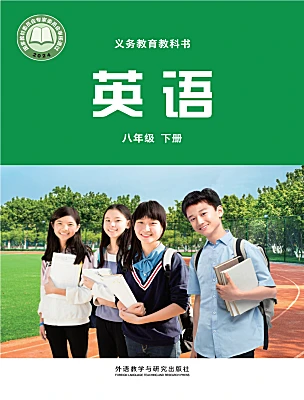
这是一份外研版(2024)八年级下册(2024))Understanding ideas教课内容课件ppt,共43页。PPT课件主要包含了Contents,语言能力,思维品质,学习能力,文化意识,教学重点,教学难点,教学重难点,Exercise,met等内容,欢迎下载使用。
能认读、理解并运用 encurage 等成长、情绪类核心词汇及搭配,结合被动语态语境使用,清晰区分主动与被动表达的语义差异。熟练掌握一般过去时被动语态肯否疑结构及回答,理解 “动词 + sb+t d” 变被动时 “t” 的保留规则,牢记核心构成形式。能在成长相关被动情境中用该语法口头表达、书面仿写,读懂相关语篇并完成句式转换、翻译,提升语言输出准确性。
对比一般过去时主被动语态用法场景,梳理转换规则,能依语境选择合适表达,建立语法知识间的逻辑关联。结合成长语篇中的被动语态事件,思考动作因果与影响,多角度解读文本内涵,清晰表达个人观点与看法。通过例句观察、练习反馈,自主归纳该被动语态特殊用法及易错点,构建个性化的语法知识体系。
运用圈点勾画等策略自主研读语篇,借助词典、笔记解词汇语法疑问,主动梳理不规则动词过去分词表强化记忆。在小组讨论、句型仿写中倾听同伴观点,分享语法技巧,共同解决时态、句式转换类问题,提升合作学习效率。分析课堂练习、口头表达的错误并总结方法,将语法知识迁移至成长经历写作,形成 “学习 — 反思 — 应用” 循环。
通过运用语法描述中外学生共通的成长烦恼与收获,让学生感受不同文化背景下成长经历的共性,培养跨文化理解能力。在语法运用中渗透积极的成长理念,引导学生正确看待成长中的 “被动经历”,培养健康的情感态度和文化价值观。让学生了解英语中被动语态的使用场景与汉语表达的差异,提升跨文化语言交际的意识。
掌握一般过去时被动语态肯否疑核心结构及用法,能根据主语单复数准确搭配 was/were。掌握主被动语态转换规则,重点突破 “动词 + sb+t d” 变被动的 “t” 保留用法,完成句式改写、翻译。结合成长主题语境,正确运用该语法描述过去的被动动作,实现语言知识与主题内容的融合运用。
准确记忆并运用不规则动词过去分词,避免因形式混淆导致一般过去时被动语态的结构错误。掌握复合句中被动语态与主句的时态搭配,保证书面表达的逻辑连贯,避免语义脱节。能辨析 “by + 动作执行者” 的省略与保留场景,根据语境精准使用,避免表达冗余或缺失。
一、核心定义表示过去某个时间发生的动作、存在的状态,或过去经常性、习惯性的动作,动作已结束,与现在无关联。二、基本结构1. 肯定句实义动词:主语 + 动词过去式 (+ 其他)例:He played ftball yesterday. 他昨天踢足球了。be 动词:主语 + was/were (+ 其他)例:She was at hme last night. 她昨晚在家。 They were students tw years ag. 他们两年前是学生。
2. 否定句实义动词:主语 + didn't + 动词原形 (+ 其他)例:I didn't watch TV last night. 我昨晚没看电视。(注意:didn't 后必须用原形)be 动词:主语 + wasn't/weren't (+ 其他)例:It wasn't cld yesterday. 昨天不冷。/ We weren't late fr schl. 我们上学没迟到。3. 一般疑问句实义动词:Did + 主语 + 动词原形 (+ 其他)?回答:Yes, 主语 + did. / N, 主语 + didn't.例:—Did yu g shpping? 你去购物了吗?—Yes, I did. 是的,我去了。be 动词:Was/Were + 主语 (+ 其他)?
回答:Yes, 主语 + was/were./ N, 主语 + wasn't/weren't.例:—Were they n the playgrund? 他们在操场上吗?—N, they weren't. 不,他们不在。4. 特殊疑问句疑问词 + did + 主语 + 动词原形 (+ 其他)?例:What did yu d last weekend? 你上周末做了什么?疑问词 + was/were + 主语 (+ 其他)?例:Where was yur mther just nw? 你妈妈刚才在哪里?三、标志性时间状语(初中高频,必记)yesterday 昨天;yesterday mrning/afternn/evening 昨天早上 / 下午 / 晚上last + 时
间(week/mnth/year/Sunday) 上周 / 上月 / 去年 / 上周日 (tw days/three years ag) 两天前 / 三年前just nw 刚才;a mment ag 片刻之前in + 过去年份(in 2020) 在 2020 年;at that time 那时四、动词过去式变化规则1. 规则变化(绝大多数动词)① 直接加 - ed:play→played 玩;walk→walked 走;lk→lked 看② 以 e 结尾,加 - d:live→lived 居住;like→liked 喜欢;dance→danced 跳舞③ 重读闭音节(辅 + 元 + 辅),双写尾字母加 - ed:stp→stpped 停止;plan→planned 计划④ 以辅音字母 + y 结尾,变 y 为 i 加 - ed:study→studied 学习;cry→cried 哭
2. 不规则变化(初中核心,必背)am/is→was 是;are→were 是;d/des→did 做;g→went 去;have/has→had 有;eat→ate 吃;see→saw 看见;say→said 说;get→gt 得到;make→made 制作;take→tk 拿走;run→ran 跑;write→wrte 写;read→read 读(发音变);buy→bught 买;cme→came 来五、核心用法过去具体时间的动作 / 状态:强调动作在过去某一时刻发生并结束,有明确时间状语。例:I met my teacher in the street yesterday. 我昨天在街上遇见了我的老师。过去经常性 / 习惯性动作:可与 ften/usually/always 等连用,现在已不做。
例:He ften went t the park when he was a child. 他小时候经常去公园。过去连续发生的多个动作:动作依次发生,都用过去式,用 and/then 连接。例:She gt up, brushed her teeth and had breakfast quickly. 她起床,刷牙,然后快速吃了早餐。六、初中高频易错点混淆规则 / 不规则变化:如把 d 的过去式写成 ded(正确 did),g 写成 ged(正确 went)。否定 / 疑问句式错误:实义动词后加 - ed(如 I didn't played),忘记 did 后用原形。时间状语搭配错误:与现在完成时混淆(如用 just nw+have dne)。
be 动词与实义动词混用:如 He was went t schl(正确 He went t schl)。七、与一般现在时的简易区分一般过去时描述过去的动作 / 状态,与现在无关,常搭配 yesterday/last... 等过去时间状语,动词用过去式 /was/were。例:He played basketball last week. 他上周打了篮球。一般现在时描述现在的动作 / 状态或经常性动作,常搭配 every day/usually 等现在时间状语,动词用原形 / 三单 /am/is/are。例:He plays basketball every week. 他每周都打篮球。
1. I ______ (meet) my ld classmate in the park yesterday mrning.2. Tm _____________ (nt finish) his hmewrk last night.3. —______ she ______ (ride) a bike t schl yesterday? —N, she didn't.4. We ______ (have) a great time at the party the day befre yesterday.5. My mther _________ (buy) a new dress fr me last weekend.6. He ______ (be) late fr schl this mrning because he gt up late.7. What ______ yu ______ (drink) fr breakfast this mrning?8. They __________ (nt play) ftball after schl yesterday. They played basketball.9. Linda ______ (read) an interesting strybk last night.10. The students _______ (visit) the science museum last Sunday.
didn't finish
Did ride
did drink
didn't play
Read the sentences frm the reading passage and summarise the grammar rules.
(a) I checked and saw that a yellw band was attached t her wrist.(b) I waited with her until she was taken hme by a plicewman.
Nw find ne mre sentence with this structure in the reading passage.
The prmise wasn't kept, s yu can't stay ut late next time.
一、被动语态核心定义当动作的承受者作句子主语时,用被动语态;强调 “被做、被怎样”,常用来表达客观事实、不知道动作执行者或无需提及执行者。主动语态:主语是动作的发出者(谁做了某事)被动语态:主语是动作的承受者(某事被谁做 / 被做了)例:主动→Tm cleaned the rm. 汤姆打扫了房间。 被动→The rm was cleaned by Tm. 房间被汤姆打扫了。二、被动语态核心结构被动语态的基本构成:主语 + be 动词 + 动词的过去分词 (dne)
关键:be 动词的时态随原主动句的时态变化,过去分词固定不变(规则 / 不规则变化需牢记)。三、基本句式变化(以一般过去时为例,其他时态同理)The wrker repaired the machine.(工人修了机器) 被动句:The machine was repaired by the wrker.否定句:be 动词后加 nt → The machine wasn't repaired by the wrker. 这台机器没被这个工人修。一般疑问句:be 动词提前 → Was the machine repaired by the wrker? 这台机器是被这个工人修的吗? 回答:Yes, it was. / N, it wasn't.
特殊疑问句:疑问词 + be 动词 + 主语 + 过去分词? What was repaired by the wrker? 这个工人修了什么?四、初中高频固定搭配的被动用法(必考)主动句中常见动词 + sb. + t d sth. 结构,变被动时,t 必须保留,即sb. + be + 过去分词 + t d sth.。核心动词:ask/tell/rder/allw/encurage/invite 等。例:主动→The teacher tld us t read the text. 老师让我们读课文。 被动→We were tld t read the text by the teacher. 我们被老师要求读课文。五、动词过去分词的核心变化(被动语态的基础)1. 规则变化(3 类核心)
1. 规则变化(3 类核心)① 直接加 - ed:clean→cleaned;ask→asked;play→played② 以 e 结尾加 - d:live→lived;like→liked;dance→danced③ 辅音字母 + y 结尾,变 y 为 i 加 - ed:study→studied;wrry→wrried2. 初中必背不规则过去分词(高频)see→seen;d→dne;g→gne;have→had;make→made;take→taken;eat→eaten;write→written;break→brken;buy→bught;speak→spken;tell→tld;ask→asked;build→built;teach→taught
Change the fllwing sentences int passive vice.
1. Peple speak English in many cuntries.2. He desn't finish the hmewrk n time.3. D yu water these flwers every mrning?4. Wh des the teacher praise mst in class?
1. English is spken by peple in many cuntries.2. The hmewrk is nt finished by him n time.3. Are these flwers watered by yu every mrning?4. Wh is praised mst by the teacher in class?
核心定义:一般过去时的被动语态表示动作发生在过去,且主语是动作的承受者。构成:一般过去时的被动语态由“主语+was/were+及物动词的过去分词(+by+动作执行者)”构成。例句:The mbile phne has greatly influenced peple'slife since it was invented. 手机自发明以来极大地影响了人们的生活。These bks were written fr children. 这些书是写给儿童的。
句式:肯定句:主语 + was/were + 过去分词(+其他).例句:The club was set up in 2010. 这个俱乐部是2010年成立的。否定句:主+wasn't/weren't+过去分词(+其他).例句:The dr wasn't lcked. 门没被锁。一般疑问句:Was/Were + 主语 + 过去分词(+其他)?肯定回答:Yes, 主语+ was/were.;否定回答:N, 主语+ wasn't/weren't.例句:—Were the trees planted last year? 这些树是去年种的吗?—Yes, they were. 是的,它们是。/N, they weren't. 不,它们不是。特殊疑问句:疑问词 + was/were +主语 + 过去分词(+其他)?例句:When was the bridge cmpleted? 这座桥是什么时候完工的?
注意事项:1. 结构缺一不可,必含was/were + 过去分词否定句在 was/were 后加 nt,不可省略 be 动词,也不能将过去分词换成过去式。例:正确→The cup wasn't brken. 杯子没被打碎。 错误→The cup brken. / The cup wasn't break.2. 主谓一致,was/were 随主语单复数变化单数 / 不可数主语用 was,复数主语用 were,否定形式同理(wasn't/weren't)。例:The pen wasn't lst.(单数)/ The pens weren't lst.(复数)3. be 动词后必须用过去分词,切勿与过去式混淆这是被动语态的核心,不规则动词的过去分词需单独牢记,不可用过去式替代。
例:正确→The windw was brken. 窗户被打碎了。 错误→The windw was breaked/break.4. 特殊结构动词 + sb.+t d变被动,t 必须保留含 ask/tell/allw/invite 等动词的主动句,变被动否定句时,t 不能省略,位置在过去分词后。例:正确→He wasn't tld t cme. 他没被告知要来。 错误→He wasn't tld cme.5. by + 动作执行者的省略原则否定句中,若不知道 / 无需提及执行者,直接省略 by,不用强行加 by sb.,避免冗余。
例:正确→The bk wasn't returned. 书没被归还。 错误→The bk wasn't returned by smene.6. 时间状语的搭配,需用过去时间标志否定句仍需搭配一般过去时的时间状语( nw 等),不可与现在时时间连用。例:正确→It wasn't fund yesterday. 它昨天没被找到。 错误→It wasn't fund every day.7. 否定句的句式变换,只变 was/were,过去分词不变变一般疑问句将 was/were 提前,变特殊疑问句用 “疑问词 + was/were + 主语 + 过去分词”,过去分词始终保持原形。
例:否定句→The letter wasn't sent. 一般疑问句→Was the letter sent? 特殊疑问句→Why wasn't the letter sent?8. 不可用于被动语态的动词,无需强行变被动表示状态 / 归属的动词(have/wn/belng t/like 等),无被动形式,即使是过去时,也只能用主动。例:正确→He didn't have a bike. 他当时没有自行车。(不可说 A bike wasn't had by him.)
1. The strm kncked dwn the ld tree. → The ld tree ______ _________ _______ by the strm.
2. The cmpany didn't sell the prduct last year. → The prduct ______ ______ ______ by the cmpany last year.
3. Did the teacher crrect yur hmewrk? → ______ yur hmewrk _________ by the teacher?
4. Hw did they slve the prblem? → Hw ______ the prblem ________?
Rewrite the sentences in the passive in the simple past.
1 Betty's dad didn't allw her t have a lazy day n the sfa.2 Rbert's mum turned dwn his idea f hiking alne in the muntains.3 Sarah's parents hid her birthday presents in their bedrm.
Betty was nt allwed (by her dad) t have a lazy n the sfa.
Rbert's idea f hiking alne in the muntains was turned dwn (by his mum).
Sarah's birthday presents were hidden in her parents' bedrm.
(Sarah's birthday presents were hidden by her parents in their bedrm).
Cmplete the messages with the crrect frm f the wrds and expressin in brackets.
Dad,Yu can't just take my phne away. I actually use it fr many imprtant things. It helps me stay in tuch with my friends after schl. But nw I ___________ (cut ff) frm them! D yu still remember my space prject frm last term? A lt f the research __________ (d) n my phne. And I did a really great jb. Can I have my phne back, please? Samantha
I'm srry, Samantha.I'm afraid that t much f yur time _________ (spend) n yur phne. That's very bad fr yur eyes. At times, yur attentin __________ (draw) away during family meals. We need quality family time, t. Hw abut this? Let's all put ur phnes dwn fr a while every day and have a family cnversatin. What d yu think?Dad
Write a stry abut a difficult experience with yur parents. Use the wrds and expressins frm the reading passage and the Useful expressins t help yu.
last Saturday, befre ur family trip
I decided t skip the trip and stay fr a friend's party.
We had a lng talk and I prmised t be mre cnsiderate f family plans.
I shuld cmmunicate mre penly and shw mre respect t family.
Useful expressins·The prblem was caused by... ·In the end, we...·I prmised t... But... ·I'm srry fr...·My parents thught that... ·After this disagreement, I learnt that...
, I had a disagreement with my parents. We argued abut . .
Last Saturday, I had a disagreement with my parents. We argued abut me canceling ur family trip fr a friend's party.The prblem was caused by my sudden change f plans. I had prmised t g, but chse the party instead. My parents thught I was disrespectful.In the end, we talked calmly. I'm srry fr being incnsiderate. A new plan was made: I culd g t the party first, then jin them later.After this, I learnt that keeping prmises and cmmunicating hnestly are what really matter in a family.
Sample Writing
lazy /ˈleɪzi/ adj. 懒惰的,懒散的,懒洋洋的,无精打采的,马虎的
例句:He is t lazy t finish his hmewrk n time. 他太懒了,没法按时完成作业。be lazy abut sth 对某事敷衍 / 懒散例句:Sme students are lazy abut ding daily exercise.一些学生对做日常锻炼很懒散。lazily adv. 懒散地;慢吞吞地例句:He std up lazily and didn't want t fllw the teacher's rder.他慢吞吞地站起来,不想听从老师的要求。laziness n. 懒惰;懒散(不可数)例句:Laziness will stp us frm making prgress in grwth.懒惰会阻碍我们在成长中进步。
term /tɜːrm/ n. 学期,期限,任期;vt. 把…称为,把…叫作
例句:We will finish all the curses by the end f this term.我们将在本学期末完成所有课程。 把…… 称作……例句:We term his hard wrk the key t his grwth.我们把他的努力称作成长的关键。terminal adj. 学期的;末期的;终端的例句:We will have a terminal test at the end f the term.学期末我们会进行一次期末测试。terminally adv. 最终地;末期地例句:He terminally realized the imprtance f hard wrk in this term.本学期他最终意识到了努力的重要性。
cnversatin /ˌkɑːnvərˈseɪʃn/ n.(非正式)交谈,谈话,会话
例句:I had a warm cnversatin with my mm abut my study wrries last night.昨晚我和妈妈聊了聊学习的烦恼,谈话很暖心。have a cnversatin (with sb) (abut sth) (和某人)就某事交谈例句:She had a nice cnversatin with her friend abut teenage grwing pains.她和朋友聊了聊青少年的成长烦恼,聊得很愉快。start a cnversatin 开启对话;打开话匣子例句:He was t shy t start a cnversatin with his classmates at the beginning f the term. 学期初他太害羞,不敢和同学搭话。cnversatinal adj. 交谈的;口语的;会话式的例句:Our English teacher teaches us sme cnversatinal skills in daily cmmunicatin. 英语老师教我们一些日常沟通的交谈技巧。
disagreement /ˌdɪsəˈɡriːmənt/ n. 分歧,不一致,争论,意见不符
例句:Their disagreement didn't last lng because they talked with each ther patiently. 他们的意见不合没持续多久,因为彼此耐心沟通了。have a disagreement (with sb) (abut/n sth) (与某人)就某事有分歧例句:I had a slight disagreement with my father abut my weekend study plan last Saturday. 上周六我和爸爸就周末学习计划有一点小分歧。settle a disagreement 解决分歧;化解意见不合例句:We settled the disagreement by talking penly and listening t each ther'sideas. 我们通过坦诚交谈、倾听彼此的想法解决了分歧。reach a disagreement 产生分歧;出现意见不合例句:They reached a disagreement n hw t finish the grup prject in the last class.
上节课他们就如何完成小组项目产生了分歧。cause a disagreement 引发分歧例句:Misunderstanding always causes unnecessary disagreement amng teenagers in their grwth. 成长中,误会总会引发青少年之间不必要的分歧。disagree v. 不同意;有分歧;持不同意见例句:I disagree with my friend n where t g fr the schl trip.我和朋友对校游的目的地持不同意见。disagreeable adj. 令人不快的;不合意的;难相处的例句:The disagreeable talk made their disagreement even wrse last time.上次那场不愉快的谈话让他们的分歧变得更加严重。agreement /əˈɡriːmənt/ n. 协定,同意,(意见或看法)一致,契约,应允,协议
这是一份英语八年级下册(2024))Understanding ideas备课课件ppt,共31页。PPT课件主要包含了Why,Homework等内容,欢迎下载使用。
这是一份英语Understanding ideas授课ppt课件,共31页。PPT课件主要包含了被动语态的构成,一般现在时的被动语态,一般将来时的被动语态等内容,欢迎下载使用。
这是一份初中外研版(2024)Unit 1 Career talksUnderstanding ideas教案配套课件ppt,共19页。PPT课件主要包含了Review,主动语态,被动语态,引出动作的执行者,一般现在时,Jobs,doctor,teacher,farmer,tour guide等内容,欢迎下载使用。
 新教材
新教材

注册成功

在线客服
添加在线客服
获取1对1服务
官方微信
关注“教习网”公众号
打开微信就能找资料
赛课定制
添加在线客服
获取1对1定制服务
职称咨询
添加在线客服
获取1V1专业指导服务

免费福利

.png)
.png)
.png)
